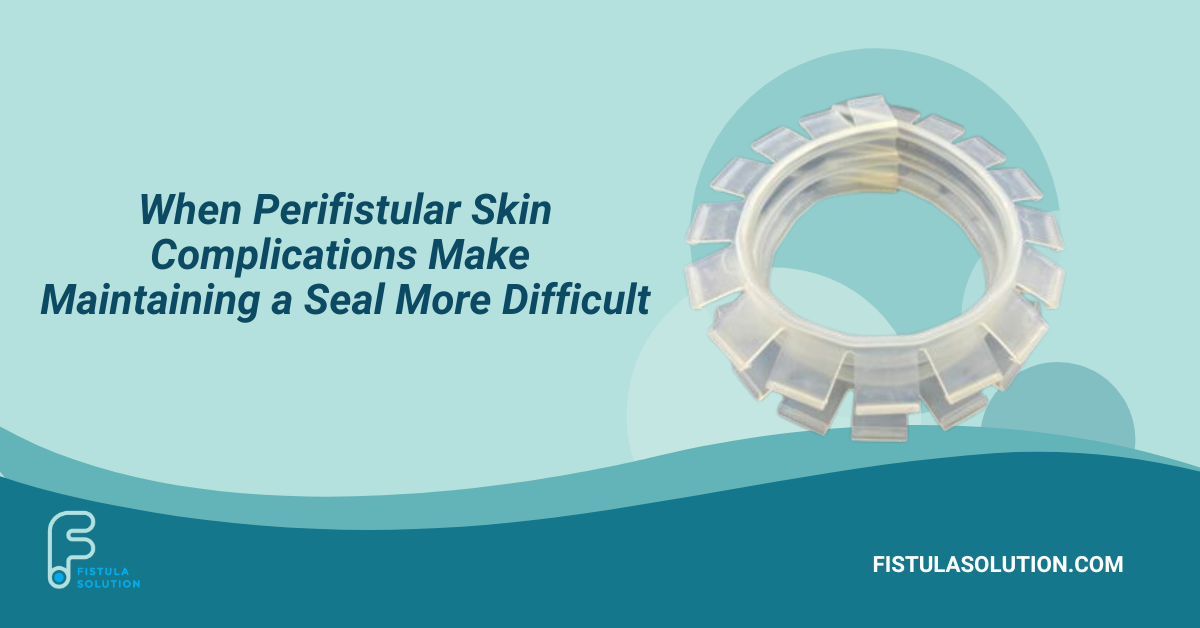
Persistent leakage from feculent drainage can quickly become one of the most frustrating challenges in complex fistula management. Once drainage reaches the surrounding skin, irritation and breakdown can occur, making it increasingly difficult to maintain an effective seal.
As the skin becomes compromised, clinicians are often faced with a cycle of repeated leakage, frequent pouch or dressing changes, and continued skin damage. Breaking that cycle starts with protecting the periwound skin and improving isolation around the fistula.
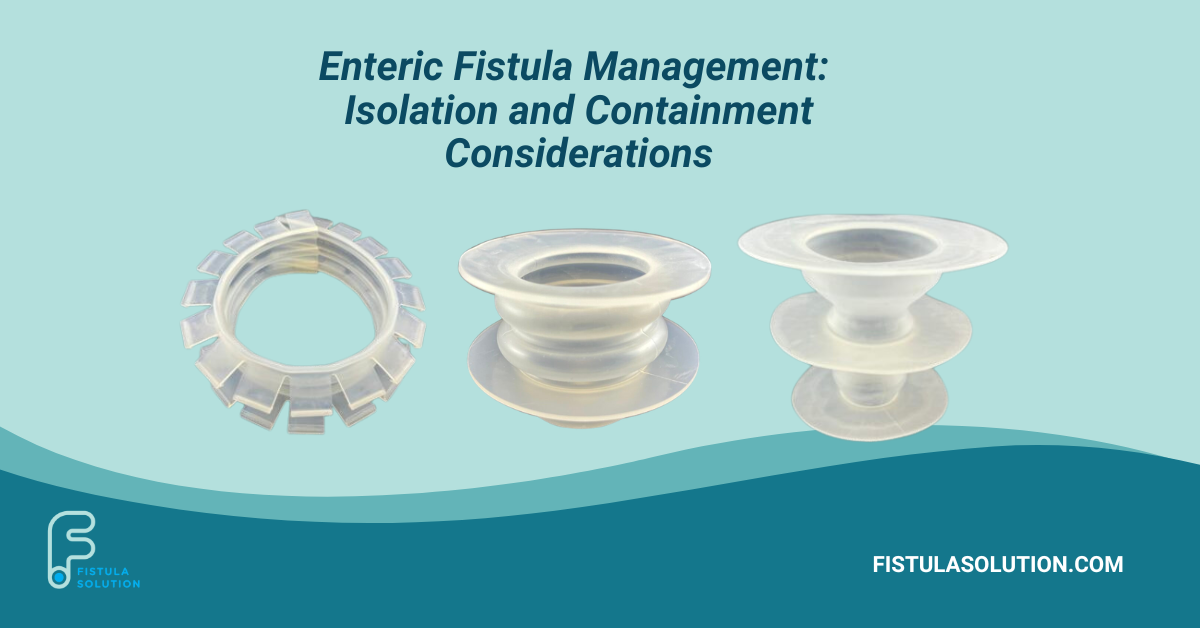
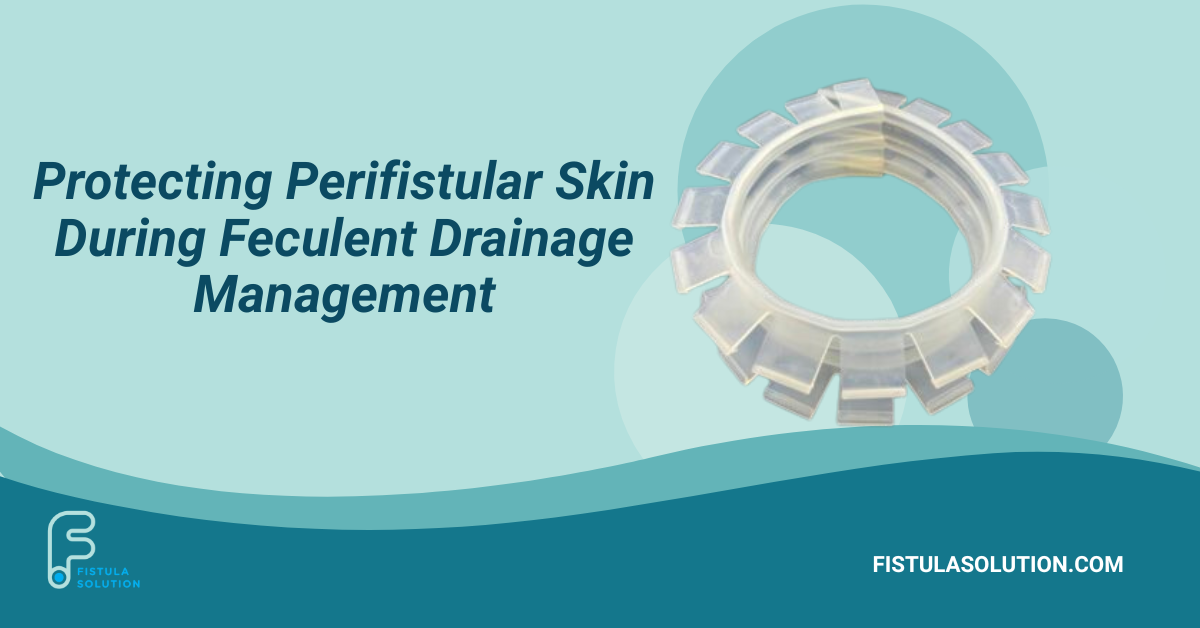
One approach is to create better separation between drainage and healthy tissue. The Isolator Strip was developed to help support that goal by assisting with isolation around the fistula, helping protect surrounding skin, and supporting a more dependable seal in difficult cases.
Every patient presents unique challenges, and no single solution is appropriate for every situation. When persistent leakage begins to compromise surrounding skin, considering additional isolation strategies may help support more consistent wound management and preserve skin integrity throughout treatment.
Traditional wound managers work well in many situations, but some fistulas present challenges that make maintaining a reliable seal difficult. Irregular wound contours, high-volume drainage, and persistent leakage can quickly lead to skin breakdown and frequent dressing changes.
When these challenges occur, clinicians often need to look beyond repeated adjustments to the same management approach. The focus shifts to protecting the surrounding skin, isolating enteric effluent, and maintaining a more dependable seal that supports ongoing wound care.
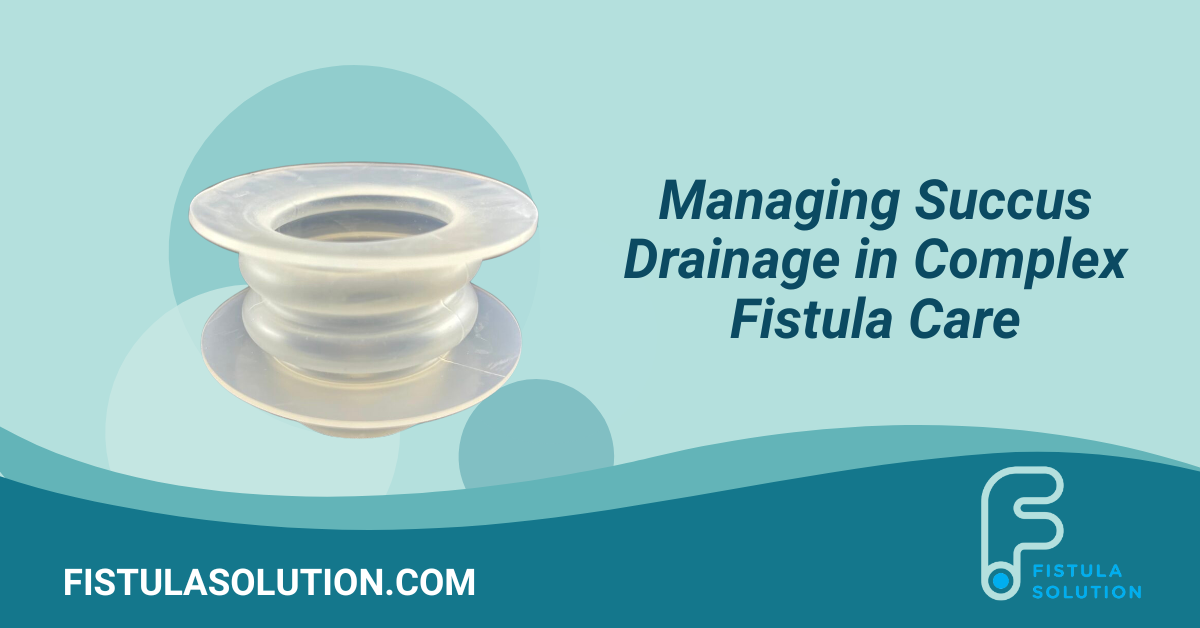
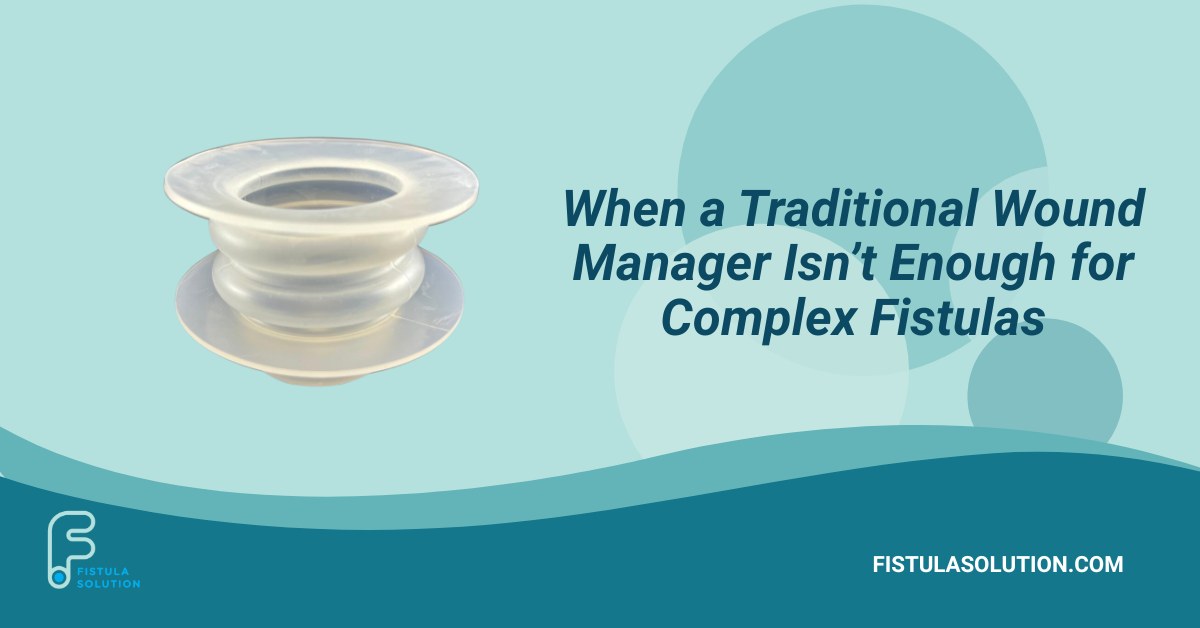
The Wound Crown was developed for these difficult situations. By helping separate the fistula opening from the surrounding wound, it can assist with effluent isolation, improve seal reliability, and help protect periwound skin. This allows clinicians to adapt their management strategy when traditional wound managers are no longer meeting the needs of the wound.
No single solution is appropriate for every patient, but recognizing when it is time to consider a different approach can make managing complex fistulas more effective for both the care team and the patient. Understanding how to contain succus drainage can also help guide clinical decision making.
Join Fistula Solution at ASCRS 2026 to discuss practical strategies for stabilizing and managing complex abdominal patients, including complex fistula management and ostomy care.
Topics for discussion:
• Enteric fistula isolation to control effluent and protect the wound field • Management of high-output and anatomically challenging ostomies • Anal isolation as a potential alternative to diversion in select cases • Techniques to maintain skin integrity and enable reconstruction
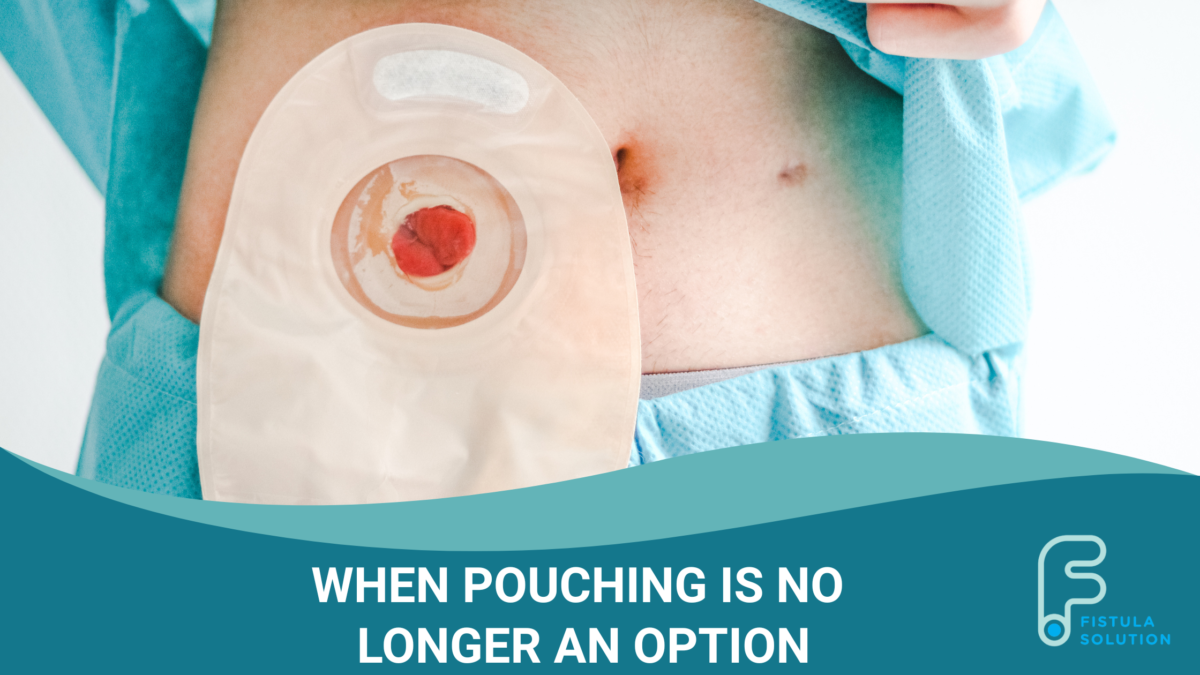
When pouching is no longer a workable solution for complex fistula and ostomy patients, isolation with Negative Pressure Wound Therapy or other methods may provide a more effective approach to effluent management.
Containing high-output effluent with wound managers or ostomy pouches can be particularly challenging in patients with peristomal wounds, retracted stomas, or sidewall fistulas. When anatomy is irregular, recurrent leaks and frequent pouch changes can become frustrating for both patients and providers.
At that point, the question becomes: Is this the right strategy?
Isolation as a Structured Alternative
Isolation separates effluent from surrounding tissue, allowing it to be contained and controlled more effectively.
This shift in approach can:
Increase dressing wear time from hours to days
Improve effluent control
Reduce maceration and periwound skin breakdown
Protect grafts and surgical reconstruction sites
Decrease provider time spent managing leaks and dressing changes
Where Fistula Solution Fits
Devices such as the Wound Crown® are designed specifically for complex anatomical scenarios. They support isolation in:
Sidewall or retracted fistulas
Irregular abdominal contours
Situations requiring protection of grafted or compromised tissue
For more information on isolation options in complex fistula management, contact Fistula Solution info@fistulasolution.com.
Clinicians caring for fistula patients often describe how unpredictable each day can be. Even with experience and strong teamwork, certain challenges tend to repeat themselves. These shared observations highlight the fistula management themes that many clinicians say shape day-to-day practice and consistency across teams.
Unpredictable Contours and Evolving Anatomy
One of the themes clinicians mention most often is how quickly contours can shift. A fistula may look different at various times of the day, and openings may sit in irregular or hard-to-reach areas. These changes make consistency difficult, even when teams use familiar approaches.
Clinicians regularly describe this unpredictability as a routine part of complex care, not an exception.
Skin Protection as a Universal Priority
Another recurring theme is the importance of maintaining periwound skin. When the surrounding skin remains intact, clinicians say the rest of the care plan often feels more manageable.
This priority shows up consistently and is particularly important when fistulas evolve quickly or anatomy becomes challenging.
Variability Across Teams and Shifts
Clinicians also discuss how each shift may bring a slightly different perspective or approach, especially when output changes rapidly.
Shared observations and consistent themes help create a more predictable experience for both clinicians and patients.
Shared Themes Strengthen the Clinical Community
These themes reflect what clinicians discuss often when talking about consistency in fistula management. Hearing these shared observations helps highlight the challenges clinicians encounter repeatedly and the areas that matter most in daily practice.
Conversations like these also shape the development of purpose-built options created for fistula anatomy. If you are interested in exploring tools designed with these challenges in mind, you can learn more about the Wound Crown, Fistula Funnel, and Isolator Strip in our Knowledge Center at FistulaSolution.com.
If you have general themes you see in your own practice, we welcome hearing from you. No patient details — simply the patterns you notice in your care.
In the world of wound care, few tasks are as complex—or as meaningful—as caring for patients with enteric fistulas. Each day, clinicians step up with incredible dedication, skill, and compassion in protecting skin from effluent, fighting infection, and promoting healing. Their work may not always make headlines, but it changes lives.
One of the most important—and sometimes underappreciated—ways to make a difference? Protecting the skin from effluent.
Why Skin Protection Matters
The effluent from a small bowel fistula or high-output stoma is filled with potent digestive enzymes. When it comes into contact with healthy skin, damage can occur in a matter of hours—causing pain, infection risk, and dressing failure.
Our clinical heroes know that protecting periwound skin isn’t just about comfort—it’s critical for healing and successful containment. That’s why Skin Protection is the first “S” in the SNAP approach to fistula management (Skin and Sepsis, Nutrition, Anatomy, and Plan).
A Hero’s Tool: The Wound Crown
One of the most effective tools available for protecting skin is the Wound Crown—developed by Fistula Solution with feedback from clinicians in the field.
This flexible, clinician-tested device is designed specifically for high-output enteric fistulas and stomas. It helps manage effluent more effectively and supports long-term skin integrity.
Key features include:
A 1.5-inch center opening ideal for small bowel fistulas, ileostomies, or surgical drains
A flexible base that can be trimmed to fit unique anatomy
Optional skirt cuts for improved isolation and drainage
Compatibility with surgical drapes, barrier rings, and pouching systems
By directing output away from fragile skin, the Wound Crown strengthens the dressing system and helps create the healing environment every patient deserves.
Outstanding care begins with great technique. Whether you’re a new clinician or a seasoned expert, small refinements in your process can lead to better results.
Need a guide? Download our free Dressing Change Checklist (PDF) It’s a step-by-step walkthrough to help you get consistent, reliable results.
Final Thoughts: Small Steps, Big Impact
Protecting periwound skin may seem like a small piece of the puzzle—but for fistula patients, it makes a world of difference. With the right tools, sound technique, and your expert care, healing becomes possible.
To all the nurses, wound specialists, APPs, surgeons, and caregivers: you are the heroes of fistula care. We’re proud to support your mission with solutions that help you do what you do best—care deeply, act boldly, and heal skillfully.
Need Support or Supplies?
Not sure if your clinic or hospital carries Fistula Solution products? We’re happy to help you get what you need.
Caring for patients with enteric fistulas is no small task. Fistula care demands clinical skill, compassion, creativity, and above all, a deep commitment to protecting patients from complications like skin breakdown and infection. These daily challenges are met head-on by dedicated wound and ostomy care clinicians, nurses, and providers who embody the best of patient-centered care.
At Fistula Solution, we believe these caregivers are heroes. That’s why our tools and resources are designed to support their efforts—making complex fistula management more manageable, more effective, and more rewarding.
Let’s explore four common challenges in skin and sepsis management—and how purpose-built solutions can help you keep patients safer and more comfortable.
1. Moving Beyond Familiar Supplies
The Challenge: Ostomy barriers and makeshift materials are often used because they’re readily available. But in fistula care, they can fall short—leading to leaks, skin damage, and increased infection risk.
A Better Way: Choose devices designed specifically for fistulas. Tools like the Wound Crown, Fistula Funnel, and Isolator Strip are engineered to contain effluent, protect delicate skin, and promote healing from the start.
2. Prioritizing Effluent Isolation Early
The Challenge: Escaping effluent can soak dressings and macerate surrounding skin, opening the door to irritation and infection—especially with high-output fistulas.
A Better Way: Use containment-focused devices from the beginning. The Wound Crown and Fistula Funnel direct output into pouching systems, helping maintain a clean environment and protecting the skin you work so hard to preserve.
3. Tailoring Tools to the Patient
The Challenge: Every fistula is unique. Yet many clinicians are left adapting general supplies to fit highly individualized anatomy and output patterns.
A Better Way: Customize your approach with tools designed for different clinical needs:
Wound Crown: Ideal for small-bowel fistulas and ileostomies
Fistula Funnel: Great for isolating output near wound edges or in tight spaces
Isolator Strip: Effective for large, irregular wounds or multiple fistulas
Matching the right device to the situation leads to better containment, improved skin protection, and more predictable results.
4. Building Confidence Through Education
The Challenge: Even the best devices won’t work if clinicians aren’t supported with training and guidance. Without it, technique issues can lead to frustration and setbacks.
A Better Way: Empower yourself and your team with the Fistula Solution Knowledge Center. It’s full of real-world videos, application tips, and how-to guides—all created by clinicians, for clinicians. Because the more confident you are, the more confident your patients can be.
You Are the Solution
Every fistula patient deserves expert, compassionate care—and that starts with you. By focusing on Skin protection and Sepsis prevention—the first “S” in the SNAP fistula management framework—you’re improving lives every day.
Fistula Solution is here to support your work with the tools and knowledge you need to deliver extraordinary care.
Explore our full line of devices and training materials in the Knowledge Center.
The Story Behind Fistula Solution’s Life-Changing Devices
When it comes to managing fistulas, the standard tools haven’t changed much in over a century. Pouches, gauze, adhesives, and creatively improvised techniques are still commonly used.
But patients deserve more.
A Long History of Improvising
Fistulas have been around for centuries. One of the earliest documented cases dates back to 1825, when military physician Dr. William Beaumont treated a young man, Alexis St. Martin, who had been shot in the abdomen with a musket. With no modern options available, he used rags and leather strapping to manage the effluent.
Shockingly, similar improvised methods are still used today.
“Over the years of wound management, we really haven’t come all that far,”
explains Mary Anne, RN, Complex Abdomen Specialist and Inventor of the Wound Crown, Fistula Funnel, and Isolator Strip. “Many fistulas are still managed with gauze, frequent dressing changes, and adhesives.”
But complex abdominal wounds, especially enteric fistulas, require something built for the job.
Real Solutions for Enterocutaneous Fistula Care
Fistula Solution was created to address the gap between what patients need and what was available. The result is a lineup of clinician-designed devices that isolate effluent, protect skin, and support real healing.
These are not general supplies. They are purpose-built tools for patients facing real complexity.
The Fistula Solution Device Lineup
Fistula Solution currently offers three devices, each designed for specific clinical needs:
Wound Crown Ideal for single, small-bowel fistulas and high output ostomies. Named after Mary Anne herself, the “Fistula Queen.”
Fistula Funnel Designed for smaller fistulas or those located near wound edges.
Isolator Strip A flexible 14" strip that can be looped to isolate multiple fistulas or shaped to span wide wound beds.
A closer look at the Fistula Solution device lineup: purpose-built tools that isolate effluent, protect skin, and support healing in complex abdominal wounds
Each device directs effluent into a pouching system, giving patients the freedom to eat, move, and heal without constant dressing changes or skin breakdown.
Why Our Approach to Enterocutaneous Fistula Care Works
Before these devices existed, clinicians were MacGyvering — cutting, taping, and adapting whatever was available.
“Now we have something that actually fits,”
says Mary Anne.
The devices from Fistula Solution are:
Easy to apply
Pre-formed for common clinical needs
Designed to isolate the fistula or ostomy and protect the skin
No more guesswork. No more frustration. Just real tools that support better outcomes.
What Clinicians Are Hoping to Achieve
Whether it’s a surgeon, WOC nurse, or wound care team, the goal remains the same:
Isolate the fistula. Contain the effluent. Support healing.
Fistula Solution helps make that process more predictable, more effective, and more aligned with the realities clinicians face daily.
Ready to Learn More?
Fistula Solution is proud to support healthcare providers across the country with devices that make a difference in complex wound care.
We’re excited to be heading to Las Vegas for the NAWCO HEAL Conference, and we hope to see you there! If you’re involved in fistula and ostomy care, don’t miss one of the most practical and insightful sessions of the week:
🎤 Fistula Fixes – The Latest and Greatest Innovations
Tuesday, August 19 | 8:00 AM Presented by Mary Josephine Mosquera Famorca, RN, WCC, WOCN, Director of Nursing at Mayo Clinic Arizona
This session dives deep into the real-world challenges of managing enteroatmospheric fistulas (EAFs)—a complex condition that requires expert coordination across the care team. You’ll learn strategies for:
Medical stabilization and fluid management
Antimicrobial and advanced wound therapy
Nutritional and psychosocial support
Skin protection and effluent containment
Real-life case studies using innovative, adaptable devices
Whether you're a wound care nurse, surgeon, or interdisciplinary clinician, this session offers tools you can apply immediately to improve outcomes and patient quality of life.
Are you heading to WOCNext 2025 in Orlando? Whether you're a fistula management pro or new to this complex clinical challenge, there’s a can’t-miss session and some serious fistula fun waiting for you!
Session Highlight: From Leak to Healing
Don't miss the collaborative session: "From Leak to Healing: Optimizing Enterocutaneous Fistula Management" on Tuesday, June 3 at 10:20 AM.
Led by Dr. Lilian Chen, MD, and Katherine Skiffington, RN, CWOCN, this session brings together both surgical insight and expert wound/ostomy nursing to explore real-world, multidisciplinary strategies. You’ll learn about:
Evidence-based approaches to ECF care
Advanced wound and skin management techniques
Nutrition optimization
Decision-making for surgical intervention
Pharmacologic considerations
Patient education and long-term support
It's an insightful, practical discussion grounded in experience—and sure to leave you feeling more confident in tackling complex fistula cases.
Visit Fistula Solution at Booth #529
We’re more than just exhibitors—we’re a community of clinicians, problem-solvers, and innovators passionate about helping patients with enteric fistulas and high-output ostomies.
Stop by Booth #529 to: Meet our team Explore our unique devices Get expert insights from clinical leaders Pick up resources (and maybe a few surprises!)
Whether you have a challenging case or just want to chat, we’re here to connect.
See You in Orlando!
Let’s learn, connect, and keep pushing the boundaries of fistula care—together. We can’t wait to see you at WOCNext 2025!