When Anatomy Makes Pouching Difficult

Pouching remains the standard approach for managing ostomies and fistulas. However, certain anatomical presentations can make achieving and maintaining a reliable seal difficult.

Challenges That May Impact Pouching Success

Factors that may contribute to pouching difficulties include:

  • Injured peristomal or perifistula skin
  • Retracted stomas or fistulas
  • Irregular wound contours
  • High-volume effluent
  • Frequent leakage

These challenges can increase dressing changes, contribute to skin breakdown, and make containment more difficult.

When to Consider a New Approach

Early indicators may include:

  • Recurrent leakage
  • Persistent skin breakdown
  • Difficulty maintaining a seal
  • Frequent appliance changes
  • Increasing time spent managing output

Recognizing these challenges may help support an improved management approach.

Isolation Devices are Designed to Assist in Successful Pouching

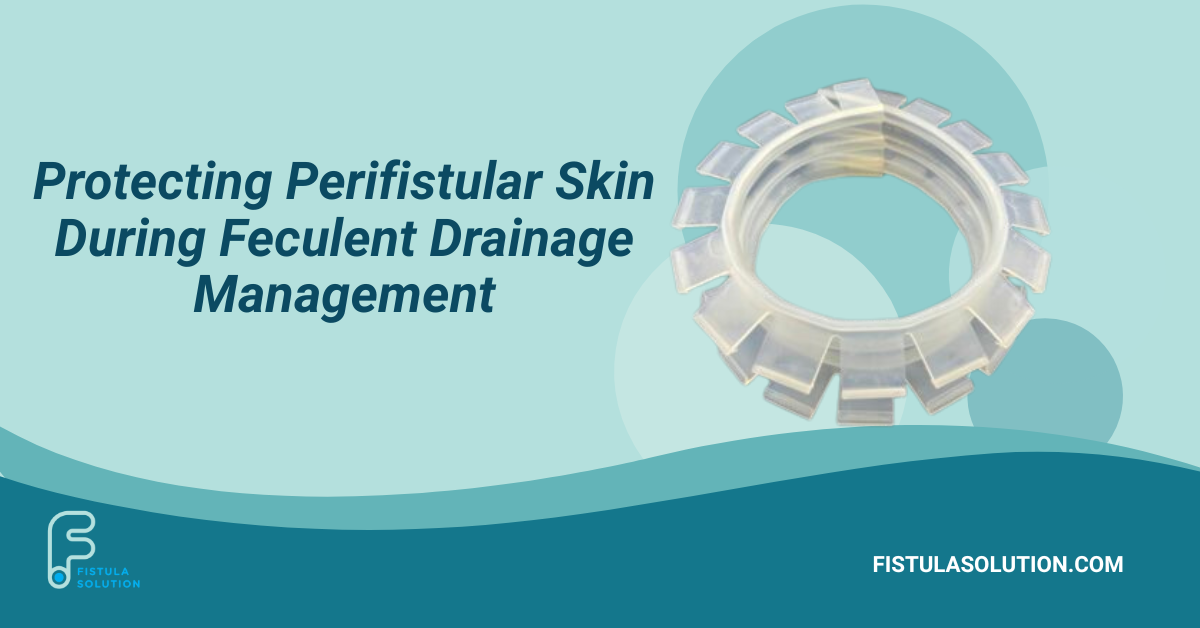
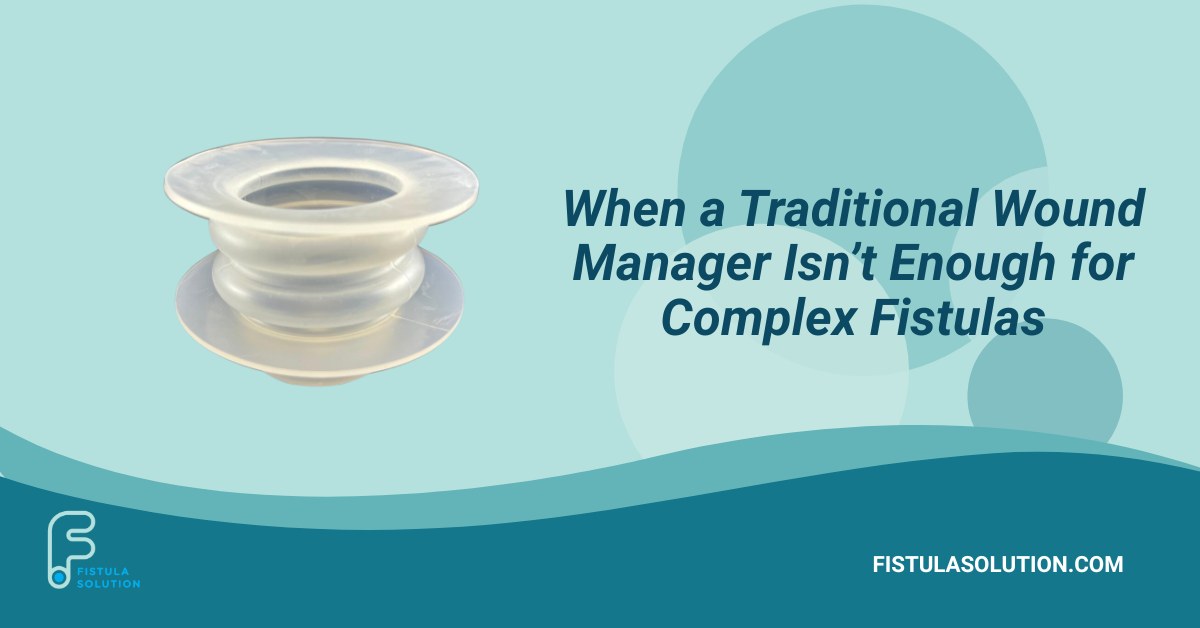
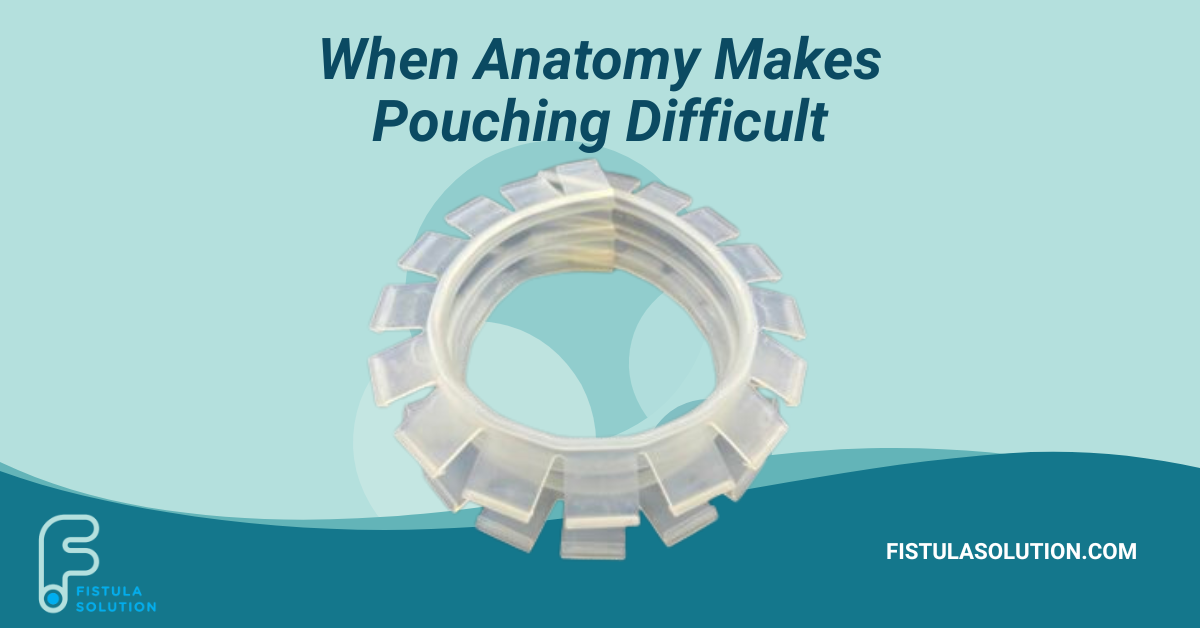
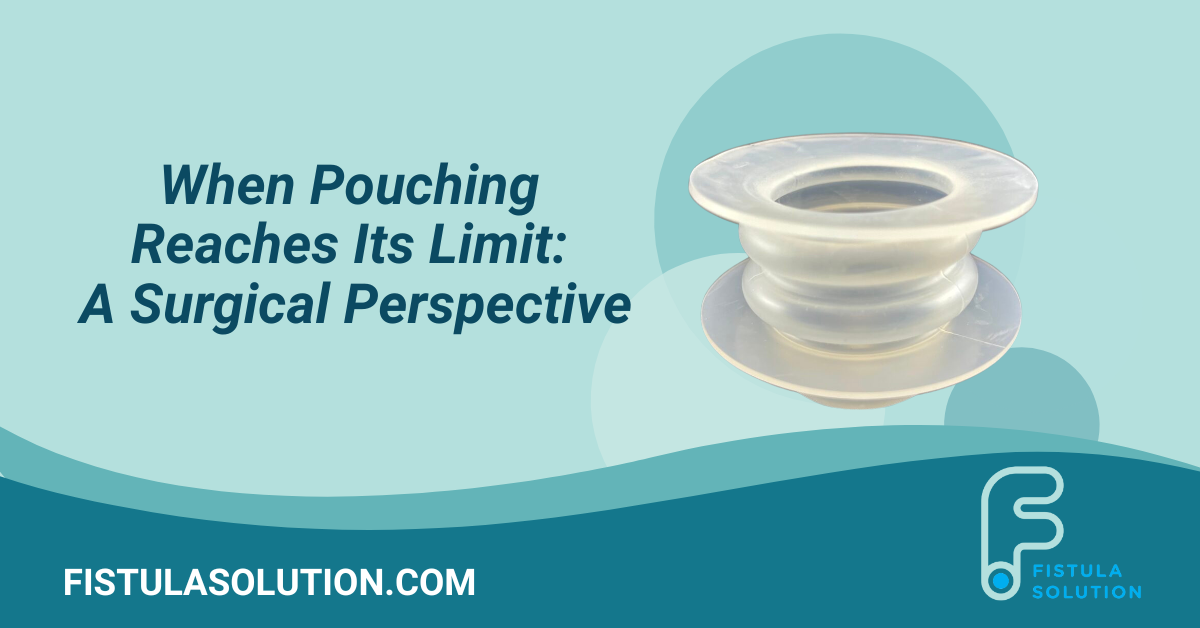
By separating effluent from vulnerable tissue and directing output into a pouch, isolation devices can help clinicians manage cases where anatomy makes containment difficult.

Clinicians managing these challenges may also be interested in our article, When Pouching Reaches Its Limit: A Surgical Perspective.

For More Information

For information on device availability within your hospital system or to discuss clinical coordination, contact Fistula Solution at info@fistulasolution.com.

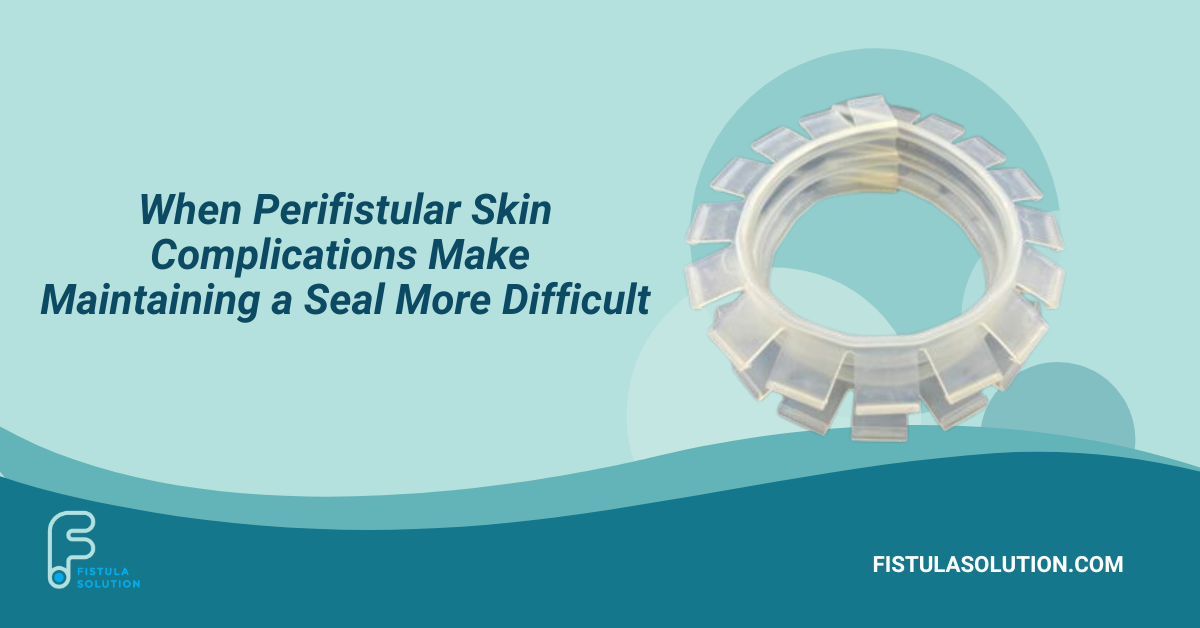
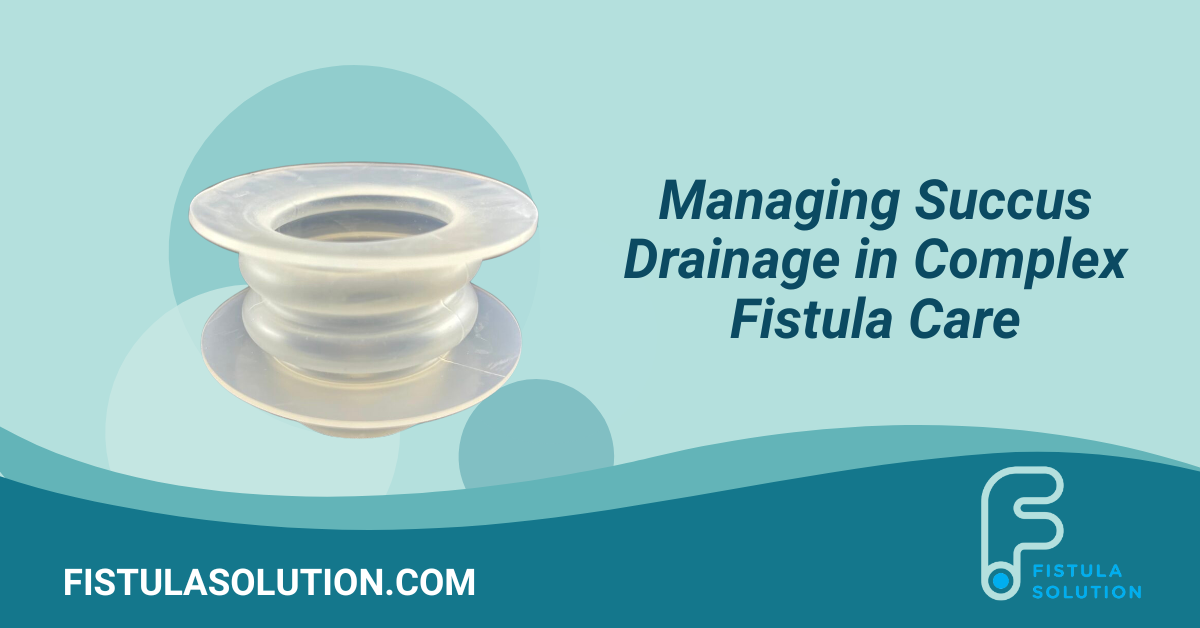
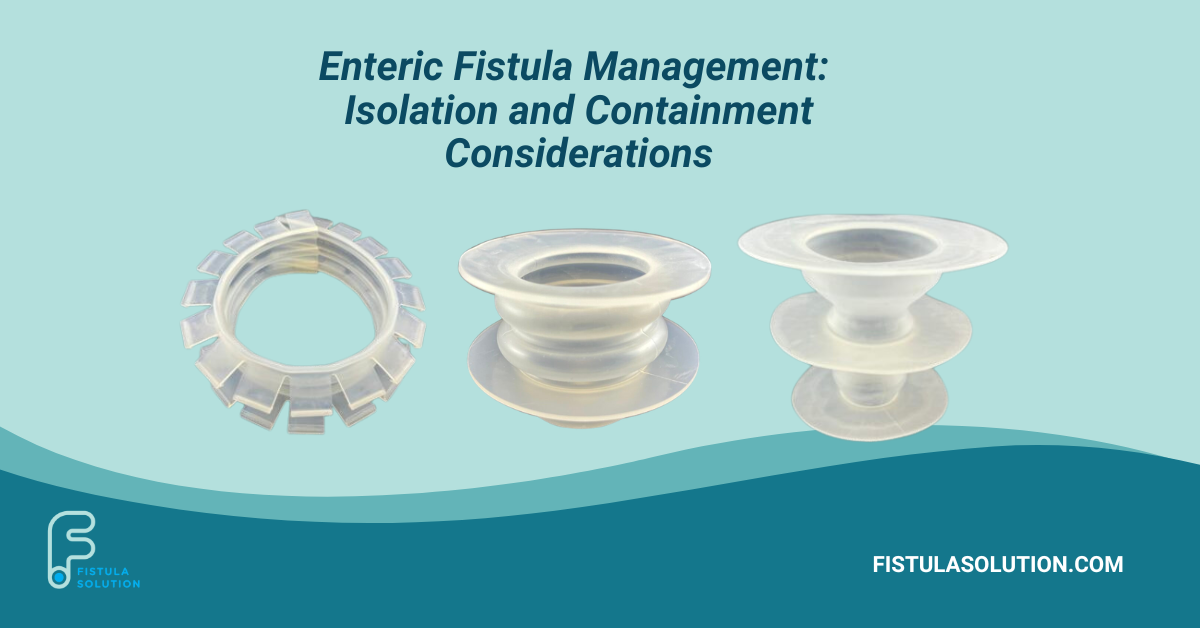
Learn more about the Wound Crown®, Fistula Funnel®, and Isolator Strip® in the Knowledge Center.

When Pouching Reaches Its Limit: A Surgical Perspective

Pouching remains the standard for ostomy and fistula management. However, in complex abdominal cases—particularly with open wounds, retracted stoma, or high-output fistulas—pouching alone may not provide reliable protection.

In these scenarios, isolation devices serve as a critical adjunct, enabling effluent to be controlled and consistently directed into a pouch.


Why Pouching Fails

Pouching challenges are typically driven by:

  • Open peristomal wounds
  • Retraction or difficult fistula/stoma site
  • High-volume effluent

These factors can compromise adhesion, leading to leakage and frequent appliance failure.


Recognizing When there is a Need

A change in strategy should be considered when:

  • Leakage interferes with wound healing or patient mobility and quality of life
  • Dressing and pouch changes become frequent and/or resource-intensive
  • Peristomal or periwound breakdown persists

These challenges are often due to a dressing limitation, not a technique issue.


Isolation as an Adjunct to Assist in Pouching

Isolation devices are not an alternative to pouching—they are a tool to make pouching viable in hostile environments.

They function to:

  • Physically separate effluent from vulnerable tissue
  • Create a controlled channel directing output into the pouch
  • Protect surrounding tissue to support healing

Where Fistula Solution Fits

Fistula Solution devices, including the Wound Crown®, are designed to assist in successful pouching.

They provide a structured method to isolate effluent and direct it into a pouch, helping restore control in difficult-to-manage cases and supporting surgical and wound care objectives.


For More Information

Want to learn more? For information on device availability within your hospital system or to discuss clinical coordination, contact Fistula Solution at info@fistulasolution.com.

WOCNext 2026 | Fistula Care, Effluent Control & Skin ProtectionBooth 1107

Join Fistula Solution Corporation at WOCNext 2026 to connect with WOC nurses managing complex fistula and ostomy patients.

Let’s talk about what matters at the bedside:

  • Controlling high-output fistulas and preventing leaks
  • Protecting periwound and peristomal skin in challenging anatomy
  • Simplifying pouching in patients with irregular surfaces
  • Supporting patients transitioning from complex wounds to manageable ostomies

Spotlight: GRIFF Collaborative
Learn about GRIFF Collaborative—a growing international effort focused on improving outcomes in intestinal failure and fistula care.
Explore more: https://griffcollaborative.org/

WOCNext sessions to consider:

ASCRS 2026 | Managing Complex Fistula and Ostomy Patients Booth 805

Join Fistula Solution at ASCRS 2026 to discuss practical strategies for stabilizing and managing complex abdominal patients, including complex fistula management and ostomy care.

Topics for discussion:

• Enteric fistula isolation to control effluent and protect the wound field
• Management of high-output and anatomically challenging ostomies
• Anal isolation as a potential alternative to diversion in select cases
• Techniques to maintain skin integrity and enable reconstruction

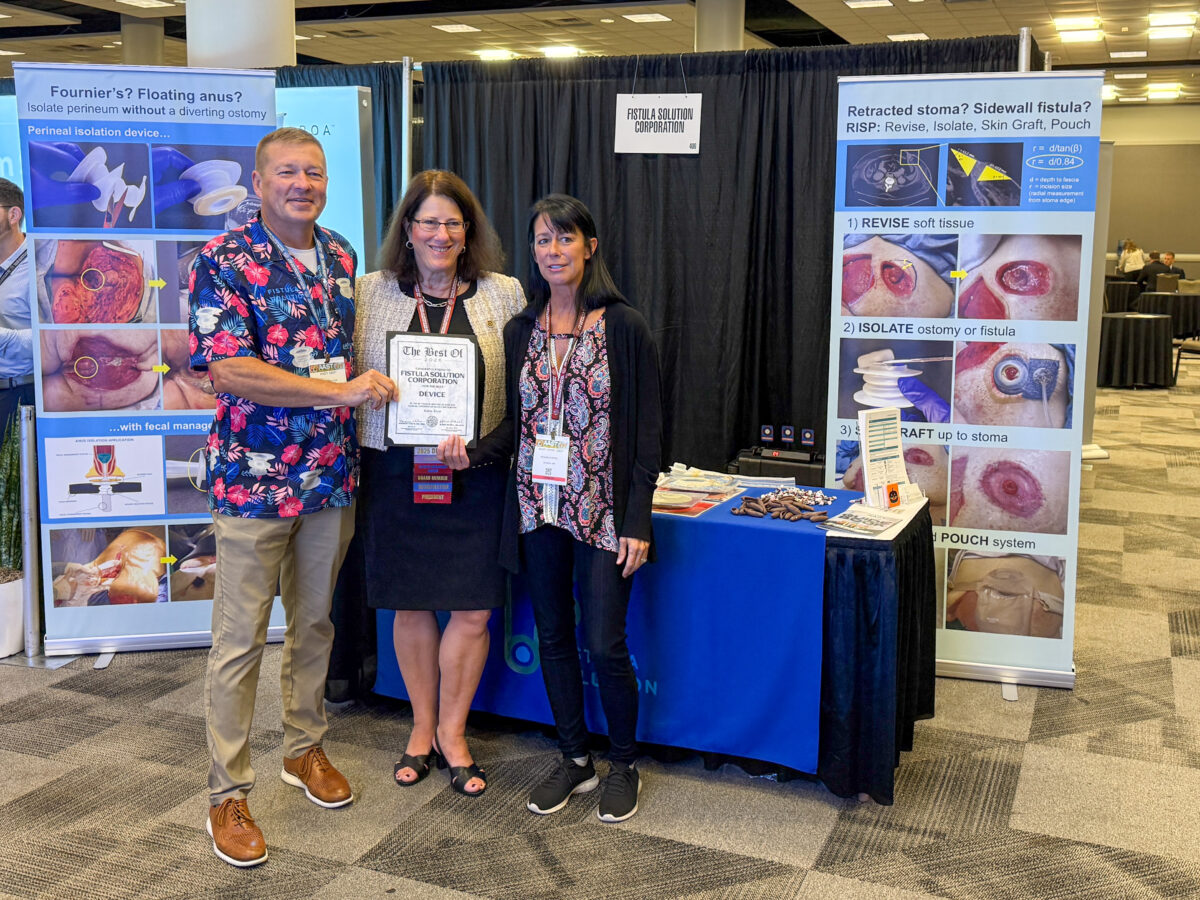
Featured Surgical Approach: RISP

Revise
Isolate
Skin Graft
Pouch

A staged approach designed to reconstruct peristomal or peri-fistula soft tissue and support transition to a durable, manageable ostomy or fistula.

Fistula Management Takes a Team

Effective fistula and complex ostomy management depends on a coordinated, multidisciplinary approach. Surgeons, wound and ostomy nurses, dietitians, bedside staff—and the patient and family—all play a critical role. When these groups share a common management plan care becomes more consistent and effective.

Where Opportunities Exist

Awareness and familiarity can vary across teams. One clinician may recognize the need for isolation, while another may choose a different approach. Aligning awareness across the care team can help reduce variability and support better outcomes.

Why Team Alignment Matters

When care teams are aligned patients benefit:

  • More predictable dressing changes
  • Improved wear time
  • Better protection of periwound skin
  • Quality of life

Supporting the Team

Fistula Solution devices are designed to support isolation in complex cases where standard methods may be difficult to maintain. For example, the Wound Crown® may be helpful in:

  • Fistula in a wound bed
  • Retracted or sidewall fistulas
  • Irregular abdominal contours
  • Protection of skin grafts

These tools are intended to support team coordination—helping clinicians manage effluent, protect skin, and deliver more consistent care.

Learn More

For more information on device availability contact: info@fistulasolution.com

Surgical Tissue Revision Around Stomas: Why Effluent Control Matters

When a fistula or ostomy becomes “unpouchable,” consider soft tissue revision followed by management with a fistula isolation device.

Open wounds, uneven or scarred tissue, retracted stomas, and fistulas under wound edges can make reliable pouching impossible. Recurrent leakage leads to maceration, prolonged hospitalization, and patient frustration.

This is where RISP provides structure.

What Is RISP?

RISP stands for:

Revise. Isolate. Skin Graft. Pouch.

It is a staged surgical technique designed to reconstruct peri-stomal or peri-fistula soft tissue and ultimately transition the patient to a standard, easy-to-manage ostomy appliance.

The sequence matters:

1. Revise

Surgically revise soft tissue to fully expose the stoma or fistula and create a viable pouching surface (without entering the peritoneum).

2. Isolate

Control and divert effluent using isolation devices and negative pressure wound therapy (NPWT) to heal the wound.

3. Skin Graft

Place a skin graft around the stoma or fistula once output is controlled. Protect the graft with continued isolation and NPWT support.

4. Pouch

Transition to a standard ostomy appliance once the graft has healed, restoring independence and reliability.

Why Isolation Is Central

Isolation is the turning point in RISP. Effluent control creates the conditions necessary for graft survival and predictable reconstruction.

RISP highlights the importance of multidisciplinary collaboration and environmental control in complex abdominal reconstruction.

For a visual demonstration of the RISP technique, watch this video:
https://youtu.be/c8ojt1zck-c

For additional information about RISP or isolation strategies in complex fistula cases, contact Fistula Solution.

You May Already Have Access to Fistula Solution Devices

At a recent surgical conference, a recurring comment was:

“I didn’t realize your devices were already available in our hospital system.”

Devices such as the Wound Crown® are approved for use and available in most U.S. hospital systems.


How to Access Fistula Solution Devices

If you are unsure whether Fistula Solution devices are available within your system, consider reaching out to:

  • Your Wound, Ostomy, and Continence (WOC) nurse team
  • Your purchasing manager
  • The value analysis or procurement department

These groups can confirm whether the devices are already contracted, approved, or stocked within your facility.

If an internal inquiry does not provide clarity, you may also contact Fistula Solution directly at info@fistulasolution.com for assistance.


If Fistula Solution Devices Are Not Yet Available

Hospitals follow structured review pathways for new product requests.

If Fistula Solution devices are not currently approved within your system, value analysis materials and supporting clinical information can be provided to assist with your internal review process.

Complex fistula management often requires specialized tools. In many cases, those tools may already be accessible within your system — they simply may not be widely recognized.

If you are uncertain about availability, contact your internal supply team or reach out to Fistula Solution info@fistulasolution.com and we can verify availability.

When Pouching Is No Longer an Option in Complex Ostomy and Fistula Cases

When pouching is no longer a workable solution for complex fistula and ostomy patients, isolation with Negative Pressure Wound Therapy or other methods may provide a more effective approach to effluent management.

Containing high-output effluent with wound managers or ostomy pouches can be particularly challenging in patients with peristomal wounds, retracted stomas, or sidewall fistulas. When anatomy is irregular, recurrent leaks and frequent pouch changes can become frustrating for both patients and providers.

At that point, the question becomes: Is this the right strategy?


Isolation as a Structured Alternative

Isolation separates effluent from surrounding tissue, allowing it to be contained and controlled more effectively.

This shift in approach can:

  • Increase dressing wear time from hours to days
  • Improve effluent control
  • Reduce maceration and periwound skin breakdown
  • Protect grafts and surgical reconstruction sites
  • Decrease provider time spent managing leaks and dressing changes

Where Fistula Solution Fits

Devices such as the Wound Crown® are designed specifically for complex anatomical scenarios. They support isolation in:

  • Sidewall or retracted fistulas
  • Irregular abdominal contours
  • Situations requiring protection of grafted or compromised tissue

For more information on isolation options in complex fistula management, contact Fistula Solution info@fistulasolution.com.

Consistency in Complex Fistula Care: Themes Clinicians Discuss

Clinicians working in complex settings often describe recurring complex fistula care themes that shape day-to-day decisions across teams. Even with experienced staff and established routines, certain challenges tend to come up repeatedly when fistulas evolve quickly or anatomy is difficult to manage.

Variability Is Part of the Work

A consistent theme in complex fistula care is change. Contours shift. Output fluctuates. What appears stable at one point in time may require adjustment later. Teams often describe this as routine, not unusual, and it influences how they plan for consistency over days and weeks.

Consistency Often Means Adaptability

When clinicians talk about consistency, they are not always describing doing the same thing every time. More often, they are describing approaches that can hold up when conditions change. In practice, consistency can mean having dependable options available when anatomy is irregular or when output does not behave as expected.

Coordination Across Roles

Complex fistula care frequently involves surgeons, wound, ostomy and continence nurses, bedside teams, and support staff working in parallel. Across many settings, teams emphasize that alignment across roles can reduce unnecessary variation and support smoother follow-through, especially when care plans need to adjust quickly.

Why These Themes Matter

These recurring themes reflect why complex fistula care can be challenging to standardize. Variability, adaptability, and coordination are not abstract concepts, they are daily realities in high-acuity care.

Conversations like these also inform the development of purpose-built options designed for real-world anatomy. To learn more about the Wound Crown, Fistula Funnel, and Isolator Strip, visit our Knowledge Center at FistulaSolution.com.

Protecting Periwound Skin: What Clinicians Emphasize in Practice

Clinicians caring for complex wounds often describe periwound skin protection as one of the most important and consistent priorities in day-to-day care. Across conversations at conferences, workshops, and bedside discussions, clinicians highlight how changes in output, anatomy, and wound environment can make protecting the surrounding skin one of the most challenging aspects of complex wound management.

While every wound is different, certain themes appear repeatedly when clinicians talk about periwound skin protection in real-world practice.


Why Periwound Skin Matters So Much in Complex Care

Clinicians frequently mention that when the surrounding skin remains healthy, the entire care plan tends to feel more manageable. Healthy skin often supports pouch adherence, patient comfort, and the ability to adapt when output or anatomy changes.

Because of this, clinicians often view skin protection as the foundation that supports everything else—especially in cases where output is high or the fistula location is difficult to manage.


The Impact of Even Brief Effluent Exposure

In many clinical discussions, even short contact with effluent is described as a factor that may contribute to irritation or reduce adherence. This can cause more frequent disruptions in care, which clinicians say may add to patient discomfort and make consistency harder to maintain over time.

Teams often describe these situations as routine parts of complex care rather than exceptions.


Themes That Make Skin Protection Challenging

Clinicians also discuss how periwound skin is influenced by anatomy. Irregular openings, tucked positions, steep angles, or fistulas near skin folds can make it difficult to support the surrounding area from shift to shift.

While each clinician approaches these challenges differently, many note the importance of having adaptable options when anatomy does not match ideal conditions.


How These Themes Shape Clinical Decisions

These observations reflect what clinicians emphasize most when talking about periwound skin protection in complex care. They also highlight why many teams look for options designed to help support predictable pouching and periwound skin health when conditions are difficult.

If you would like to explore tools developed for skin protection, you can learn more about the Wound Crown, Fistula Funnel, and Isolator Strip in our Knowledge Center at FistulaSolution.com. If your team sees similar themes in daily practice, we welcome hearing the general patterns you notice—no patient details, simply the observations you encounter in complex care.