
Enteric Fistula Management: Isolation and Containment Considerations

Enteric fistula management can be complicated by fistula location, drainage volume, wound contours, and surrounding skin condition. These factors can affect the ability to isolate enteric effluent and maintain effective containment.

Challenges in Enteric Fistula Management

High-output drainage, irregular wound surfaces, and multiple openings can make isolation difficult. When surrounding skin is compromised, maintaining a dependable seal may become an additional challenge.

An effective approach must account for both the fistula and the surrounding wound. Changes in drainage or wound condition may require adjustments to the isolation strategy.

Supporting Fistula Isolation and Containment

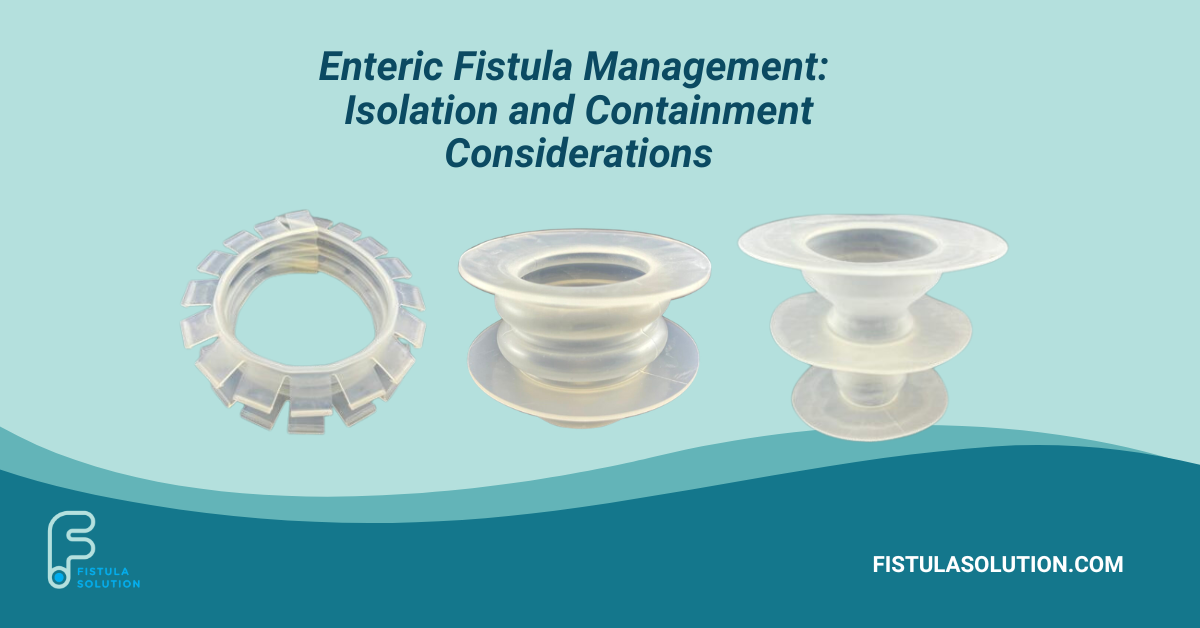
The Wound Crown, Fistula Funnel, and Isolator Strip were developed to address different isolation and containment challenges in complex fistula care.

Device selection depends on the fistula characteristics, wound configuration, and clinical needs. The goal is to support effluent containment while protecting surrounding tissue.

Ongoing assessment helps determine whether the selected isolation approach continues to meet the needs of the wound.
Protecting Perifistular Skin During Feculent Drainage Management

Persistent leakage from feculent drainage can quickly become one of the most frustrating challenges in complex fistula management. Once drainage reaches the surrounding skin, irritation and breakdown can occur, making it increasingly difficult to maintain an effective seal.

As the skin becomes compromised, clinicians are often faced with a cycle of repeated leakage, frequent pouch or dressing changes, and continued skin damage. Breaking that cycle starts with protecting the periwound skin and improving isolation around the fistula.

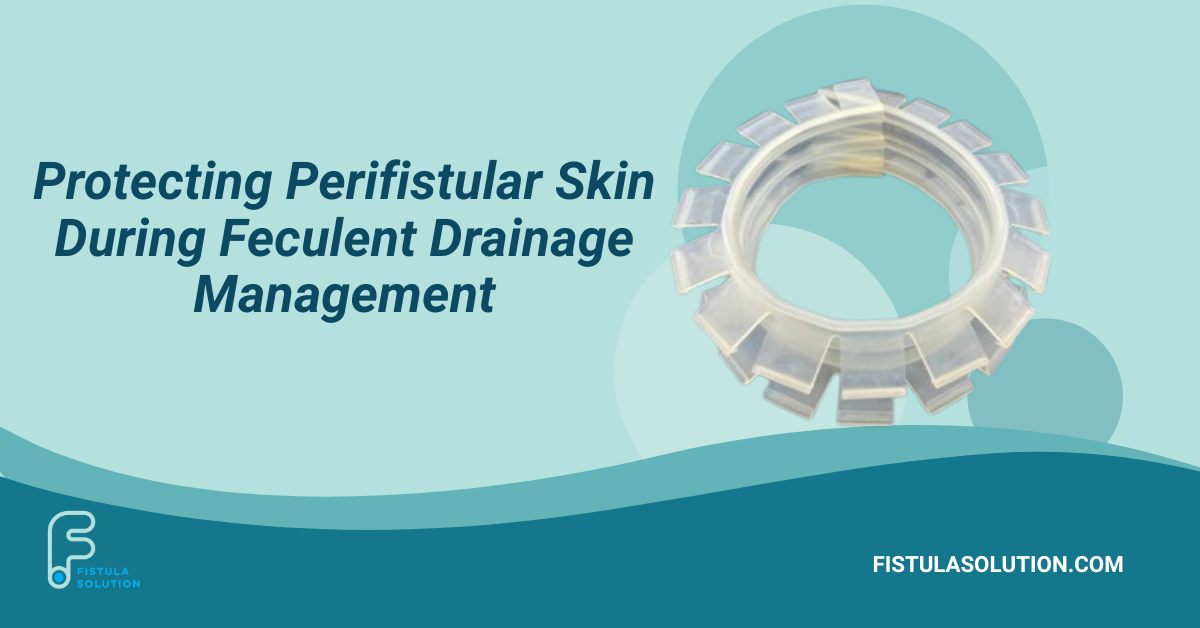
One approach is to create better separation between drainage and healthy tissue. The Isolator Strip was developed to help support that goal by assisting with isolation around the fistula, helping protect surrounding skin, and supporting a more dependable seal in difficult cases.

Every patient presents unique challenges, and no single solution is appropriate for every situation. When persistent leakage begins to compromise surrounding skin, considering additional isolation strategies may help support more consistent wound management and preserve skin integrity throughout treatment.

When a Traditional Wound Manager Isn’t Enough for Complex Fistulas

Traditional wound managers work well in many situations, but some fistulas present challenges that make maintaining a reliable seal difficult. Irregular wound contours, high-volume drainage, and persistent leakage can quickly lead to skin breakdown and frequent dressing changes.

When these challenges occur, clinicians often need to look beyond repeated adjustments to the same management approach. The focus shifts to protecting the surrounding skin, isolating enteric effluent, and maintaining a more dependable seal that supports ongoing wound care.

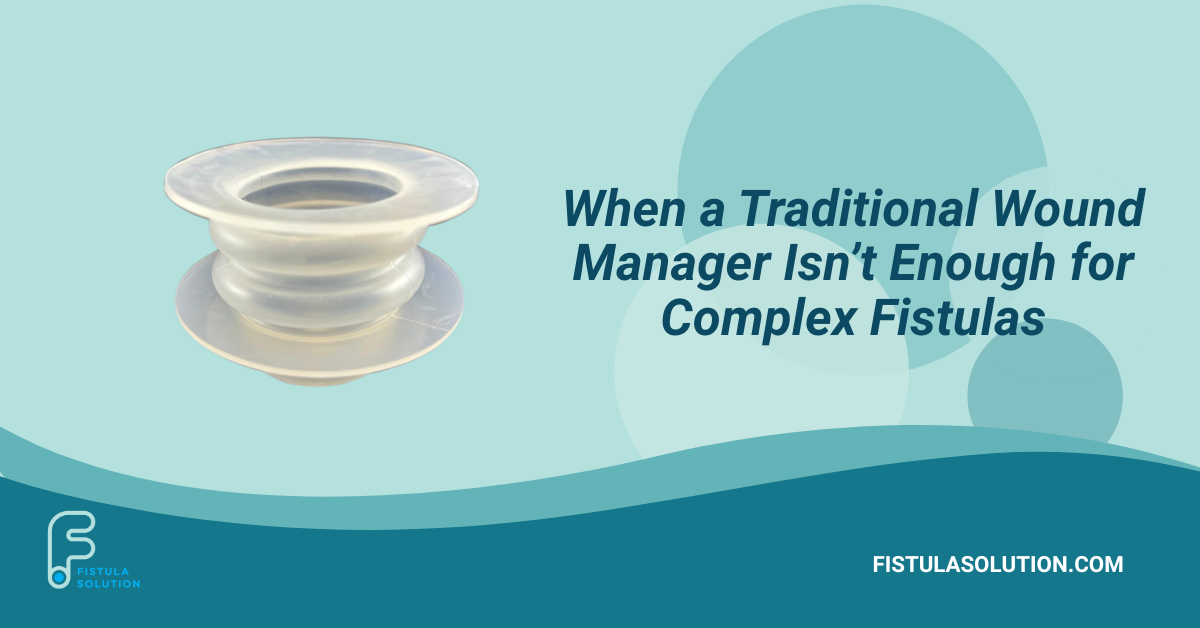
The Wound Crown was developed for these difficult situations. By helping separate the fistula opening from the surrounding wound, it can assist with effluent isolation, improve seal reliability, and help protect periwound skin. This allows clinicians to adapt their management strategy when traditional wound managers are no longer meeting the needs of the wound.

No single solution is appropriate for every patient, but recognizing when it is time to consider a different approach can make managing complex fistulas more effective for both the care team and the patient. Understanding how to contain succus drainage can also help guide clinical decision making.