
When Perifistular Skin Complications Make Maintaining a Seal More Difficult

Perifistular skin complications can create an ongoing challenge in complex fistula management. Once surrounding skin becomes irritated or compromised, maintaining a dependable seal may become increasingly difficult.

When Skin Breakdown Affects Seal Reliability

Difficulty maintaining a seal can lead to further leakage and continued exposure of the surrounding skin. This can create a cycle where compromised skin makes containment more difficult, while continued leakage makes protecting the skin more challenging.

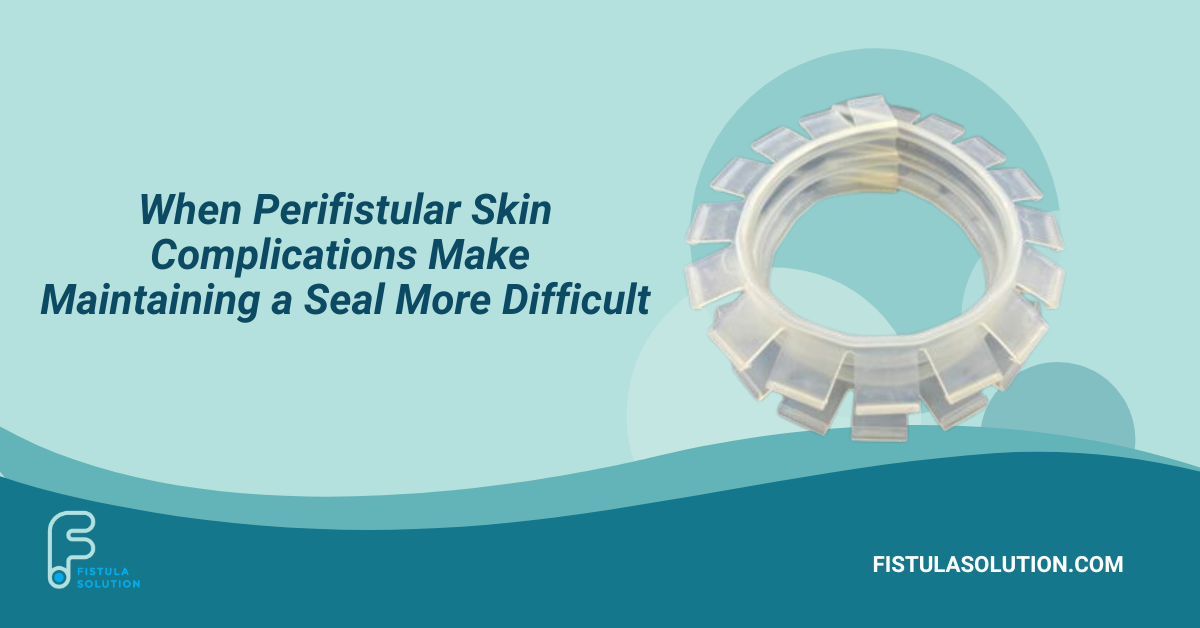
Improving isolation around the fistula may help interrupt this cycle. The Isolator Strip was developed to help create separation between drainage and surrounding tissue, supporting skin protection while helping clinicians maintain a more dependable seal.

When perifistular skin is already compromised, addressing isolation as part of the management strategy may help support both skin integrity and more consistent containment.
Protecting Perifistular Skin During Feculent Drainage Management

Persistent leakage from feculent drainage can quickly become one of the most frustrating challenges in complex fistula management. Once drainage reaches the surrounding skin, irritation and breakdown can occur, making it increasingly difficult to maintain an effective seal.

As the skin becomes compromised, clinicians are often faced with a cycle of repeated leakage, frequent pouch or dressing changes, and continued skin damage. Breaking that cycle starts with protecting the periwound skin and improving isolation around the fistula.

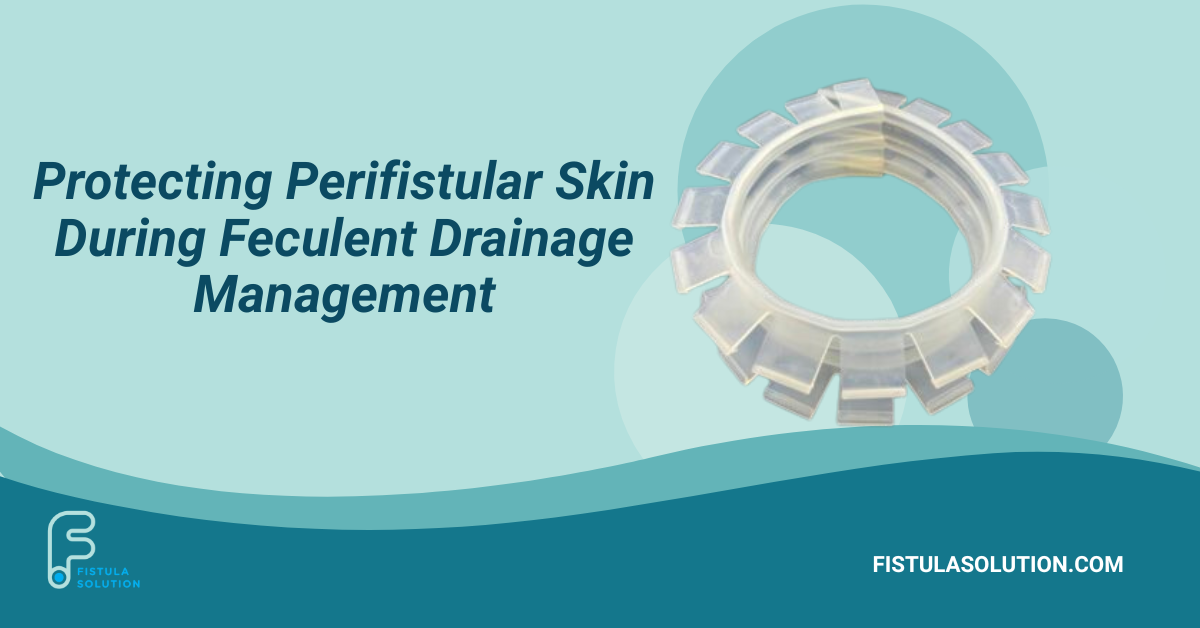
One approach is to create better separation between drainage and healthy tissue. The Isolator Strip was developed to help support that goal by assisting with isolation around the fistula, helping protect surrounding skin, and supporting a more dependable seal in difficult cases.

Every patient presents unique challenges, and no single solution is appropriate for every situation. When persistent leakage begins to compromise surrounding skin, considering additional isolation strategies may help support more consistent wound management and preserve skin integrity throughout treatment.