High-output Fistula and Ostomy Effluent Containment

Managing effluent from a high-output fistula or ostomy can be a challenge.  Even large, high-output pouches can prove insufficient when a patient puts out 5 to 10 (or more) liters of effluent daily.

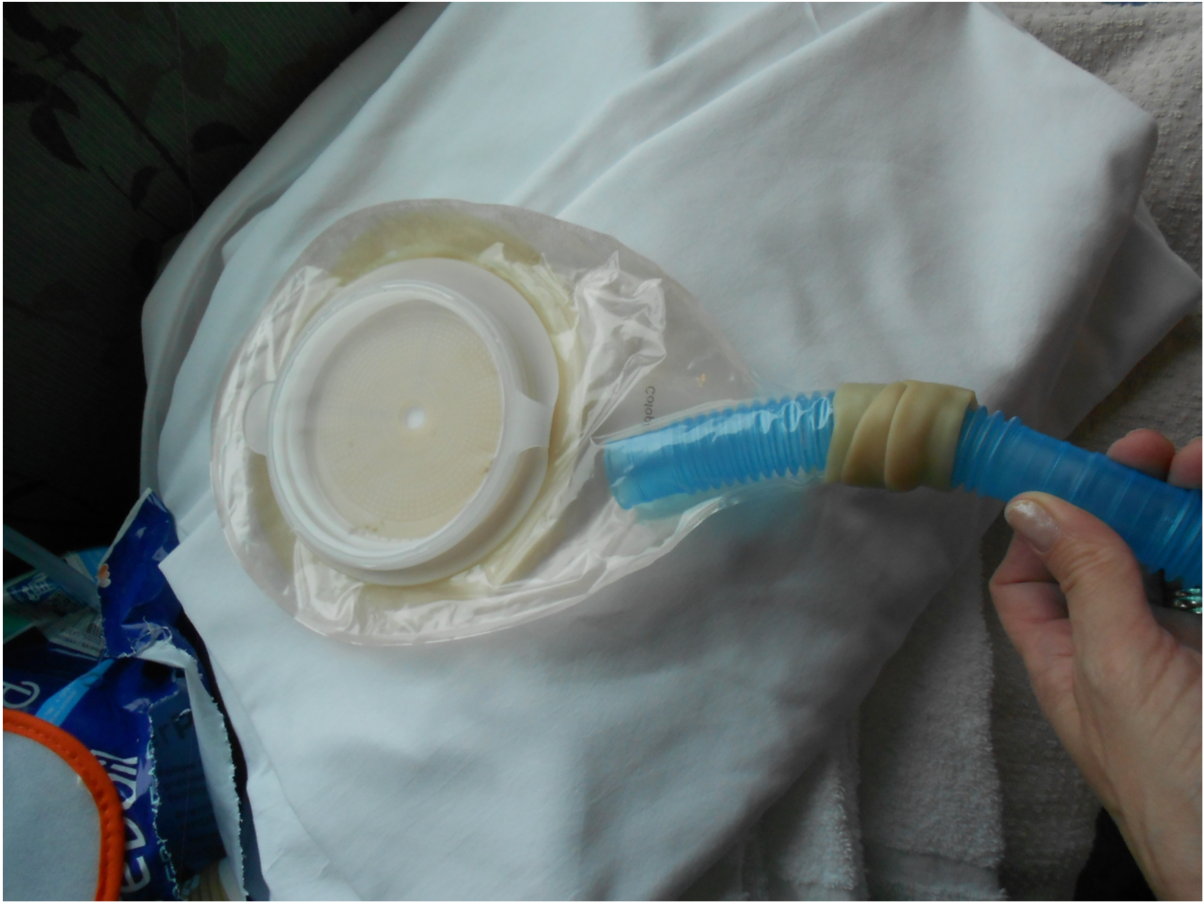
Pictured is a technique for managing high volumes of effluent.  A container is connected to the pouch using large bore corrugated tubing.  Then, as prescribed by the provider, intermittent wall suction is applied to the container to draw effluent out of the pouch.
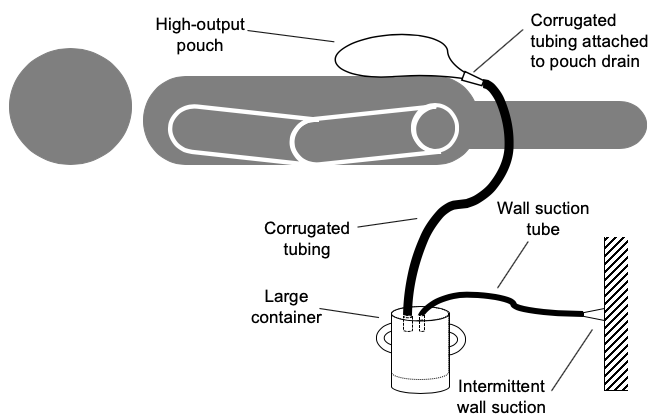
Screen Shot 2019-10-15 at 8.09.46 PM

1. Connect and seal a suction tube near the top of a 3000 ml or other large container.  Do not extend the tube more than 3 inches / 6 cm inside the container.  Connect the free end of the tube to wall suction.
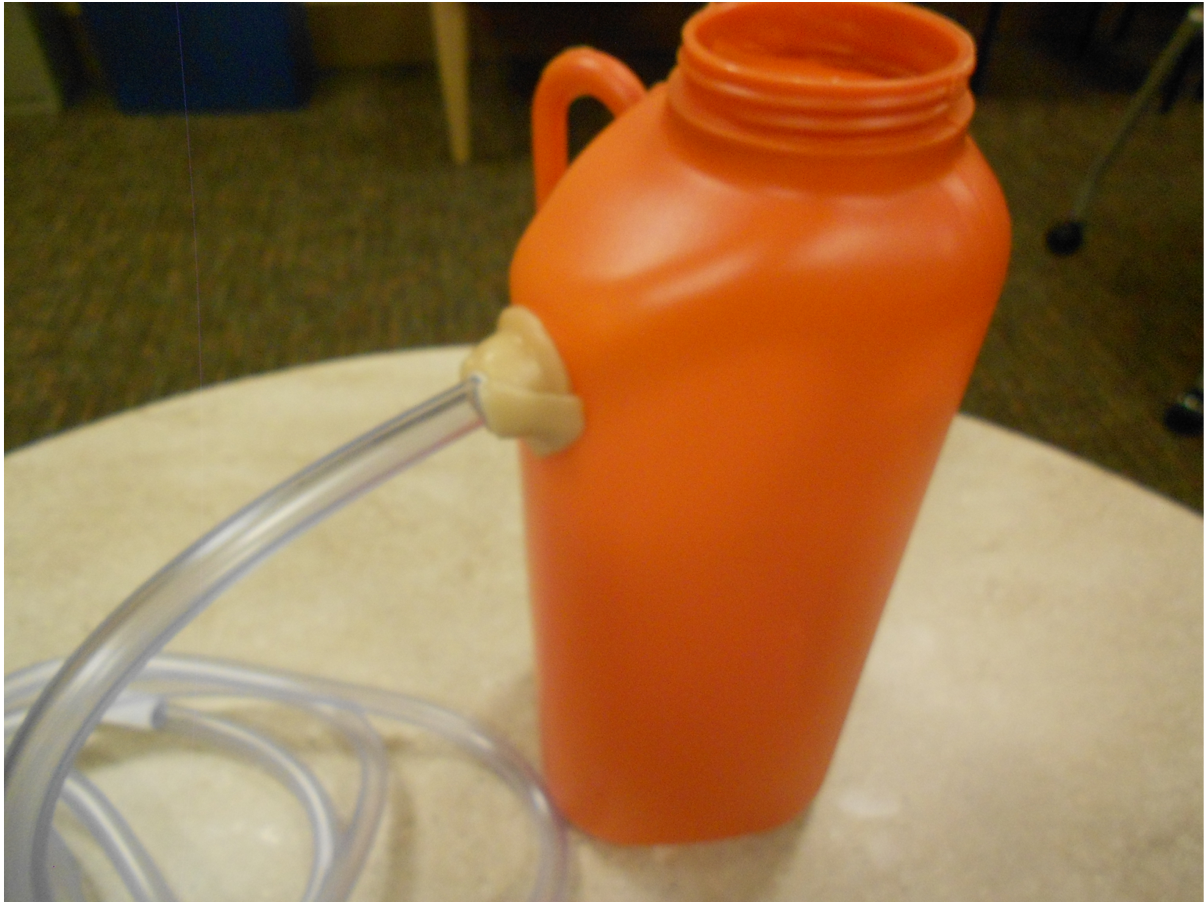
container 1

2. Connect and seal corrugated tubing to the top of the container.  Ensure tubing is long enough to reach from the floor to the patient's pouch.
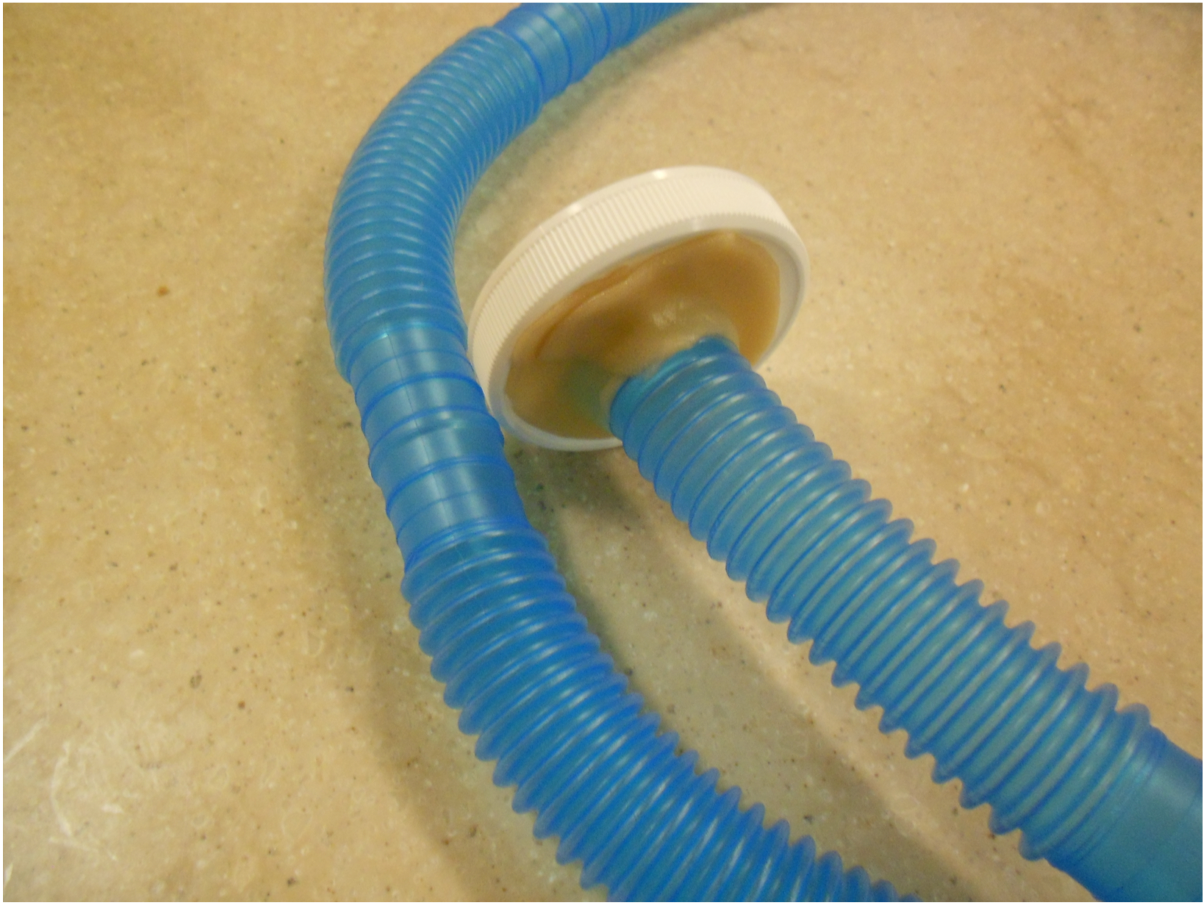
container 2

3. Fasten the top to the container and place the container on the floor near the patient.

Note that the container inlets for corrugated tubing and wall suction are spaced apart.  This is so the effluent that is drawn into the container will drop to the bottom of the container and not be drawn into wall suction.
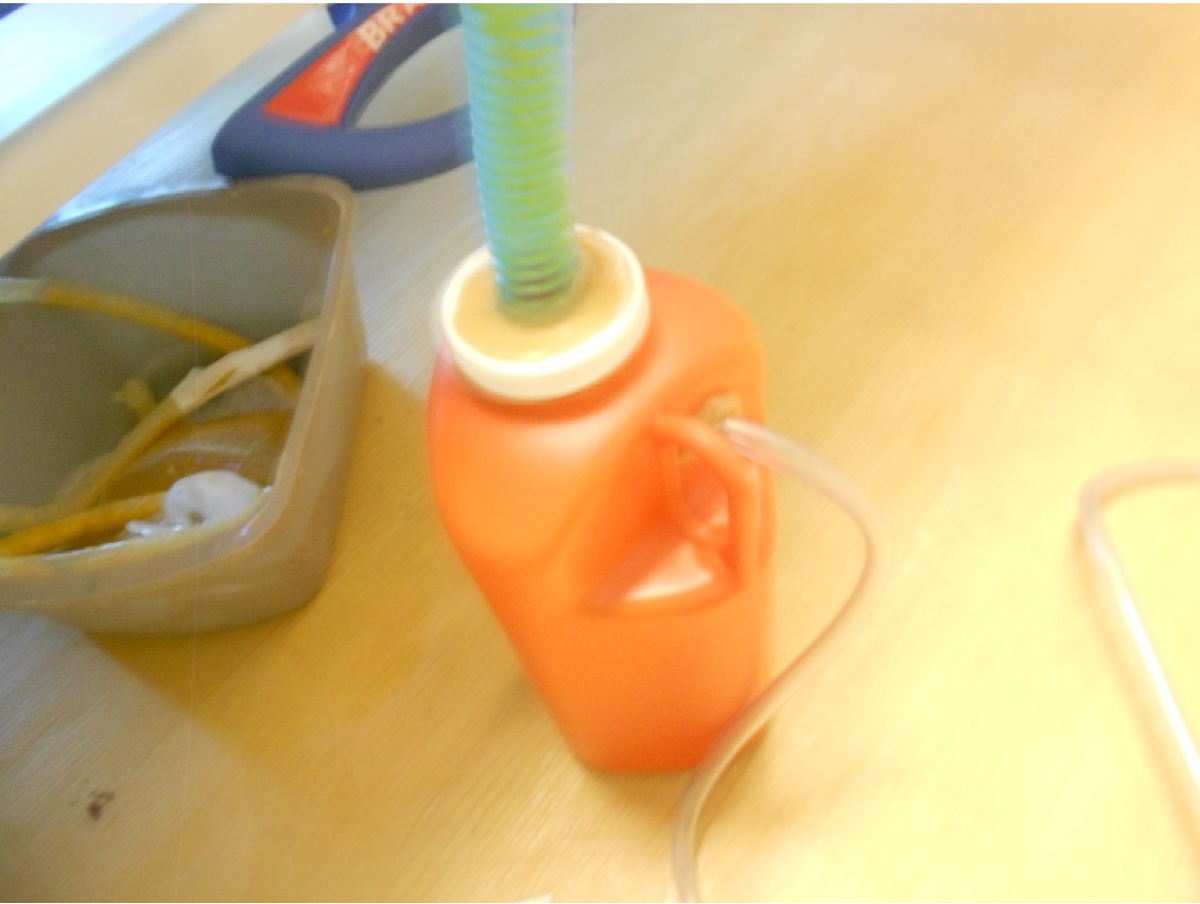
container 3

4. Connect and seal the free end of the corrugated tubing to the pouch drain.

As indicated by the healthcare provider, apply intermittent wall suction to draw excess effluent out of the pouch and through the corrugated tubing into the container.
container 4

This technique tip can help eliminate pouch clogs and effluent overfilling that can result in pouch adhesion failure and spills

The fill level of the large container should be monitored and the container can be emptied as needed.  When a patient needs to move the suction tube can be disconnected from the wall so the patient can take the container with them.

Stop Pouch Attachment Leakage

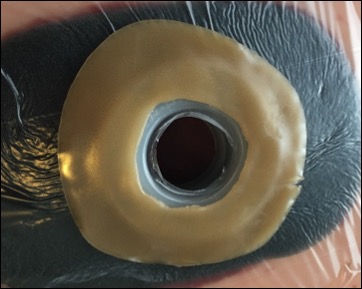
Leaks can happen at the interface of a pouch appliance and Fistula Solution device.  Usually leaks are because the pouch opening is cut too small or because of poor pouch adhesion.

The goal is to direct ALL effluent into the pouch appliance with no leaks.  These technique tips will help assure success.

Drop x

Click here for a detailed pouching video that demonstrates these technique tips.

1. Add a thin ostomy barrier ring to the top flange of the of the Fistula Solution device.  This landing zone is where the high output ostomy pouch or wound manager will be placed.

Pouch 1

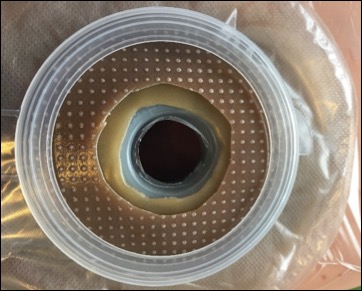
2. Cut the opening in the high output ostomy pouch or wound manager generously.  Make the opening diameter about 1 cm larger than the Fistula Solution device opening.  Then place the pouch appliance on the landing zone.

Pouch 2

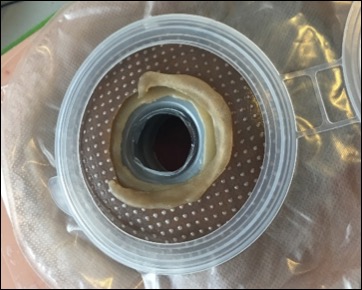
3. Bridge the gap between the opening of the pouch appliance and the landing zone with another ostomy barrier ring.  A barrier ring can be cut and applied in segments as shown in the image to the right.

Work the pouch appliance into the barrier rings. Have the patient lay quietly for 30 minutes or more to allow the pieces to warm up and adhere to each other.

Pouch 3

These technique tips can help stop leaks from happening at the interface of the pouch appliance and Fistula Solution device, and ensure all effluent goes into the pouch where it belongs.

Protect Perineal Burns and Wounds without a Diverting Ostomy

A common mitigation approach to fecal contamination of perineal wounds and skin grafts is to create an ileostomy or colostomy.   However, the Fistula Funnel can be paired with standard fecal management systems to isolate burns and wounds to the perineum without surgical redirection of the fecal stream.

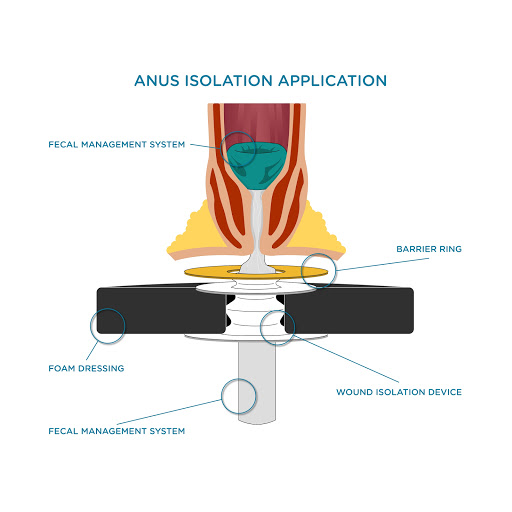
Fistula Funnel anal isolation

This illustration depicts how the Fistula Funnel can be employed to isolate a fecal management system. The "how-to" steps to assemble the devices follow.

Click here to see a video that demonstrates this technique.

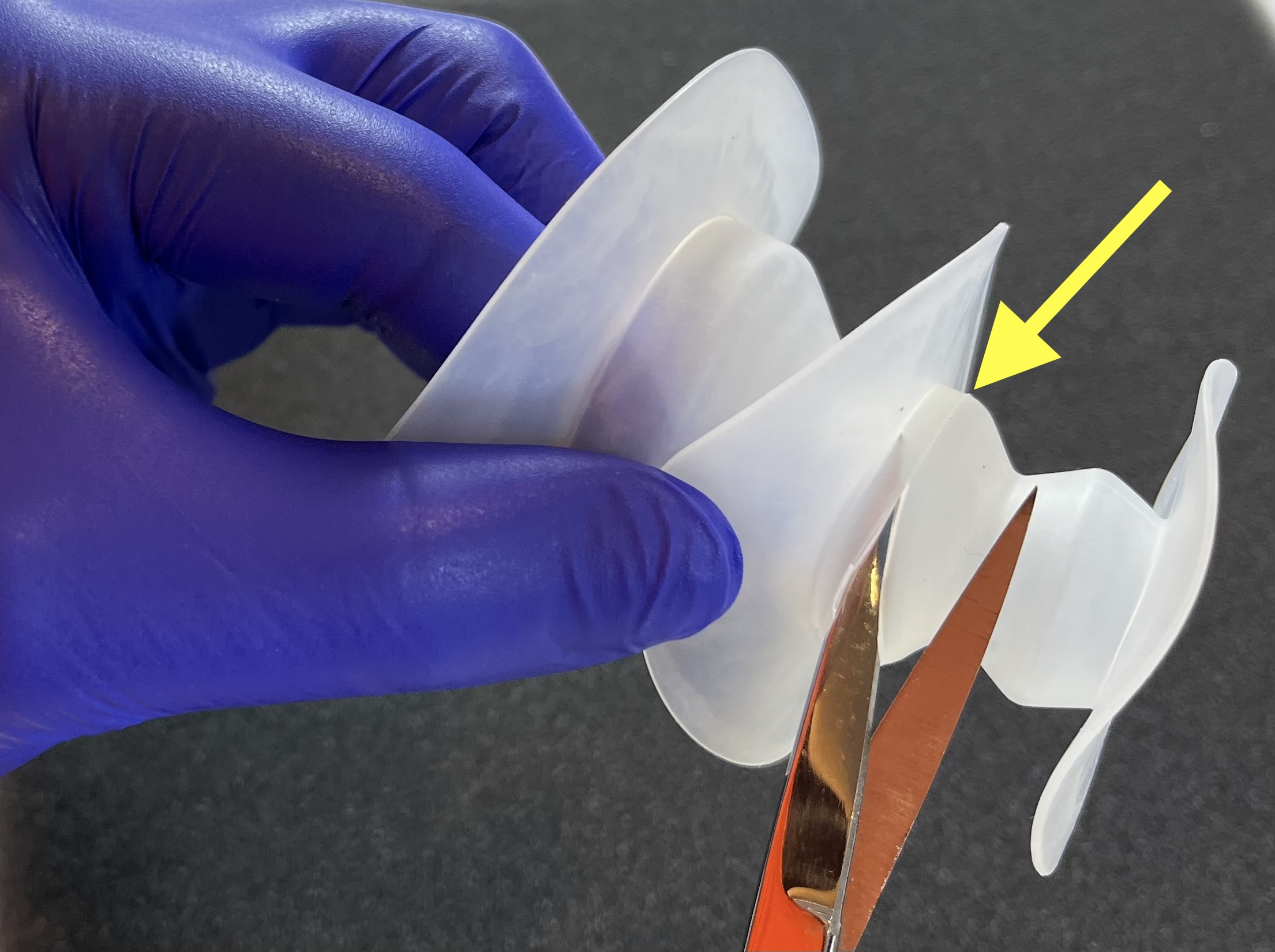
1. Tailor the Fistula Funnel and create a skirt by cutting along the scribe line.   The skirt is intended to seal and protect the perineum from fecal management system leakage.

Scribe line

2. Disinfect the Fistula Funnel with skin or wound cleaning solution, then pull the fecal management system through the Fistula Funnel opening.

FMS isolation

3. Apply dressings to Fistula Funnel, ensuring the skirt around the base of the Fistula Funnel opening faces toward the anus.

4. Apply an ostomy barrier ring to the base of Fistula Funnel to help form a seal between the skin and the device.

Compress the prepared Fistula Funnel against the skin around the fecal management drain to seal and protect the perineum.

Stabilize PEG Tubes and Wound Drains to Reduce Insertion Site Leakage

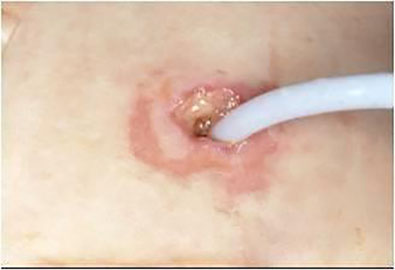
Gastric fluid leakage or wound drainage around medical tubes is an unfortunate occurrence. The leaked fluid can cause skin irritation, infection, reduced healing times, and general patient discomfort.  Leakage often occurs because patient movement rubs the tube against the insertion site and widens the incision over time

peg 3

The Fistula Funnel can be used to stabilize tubes and reduce tube friction on the insertion site.  The "how-to" steps follow.

1. As shown, place the bottom half of the Fistula Funnel around the tube prior to tube placement if possible.

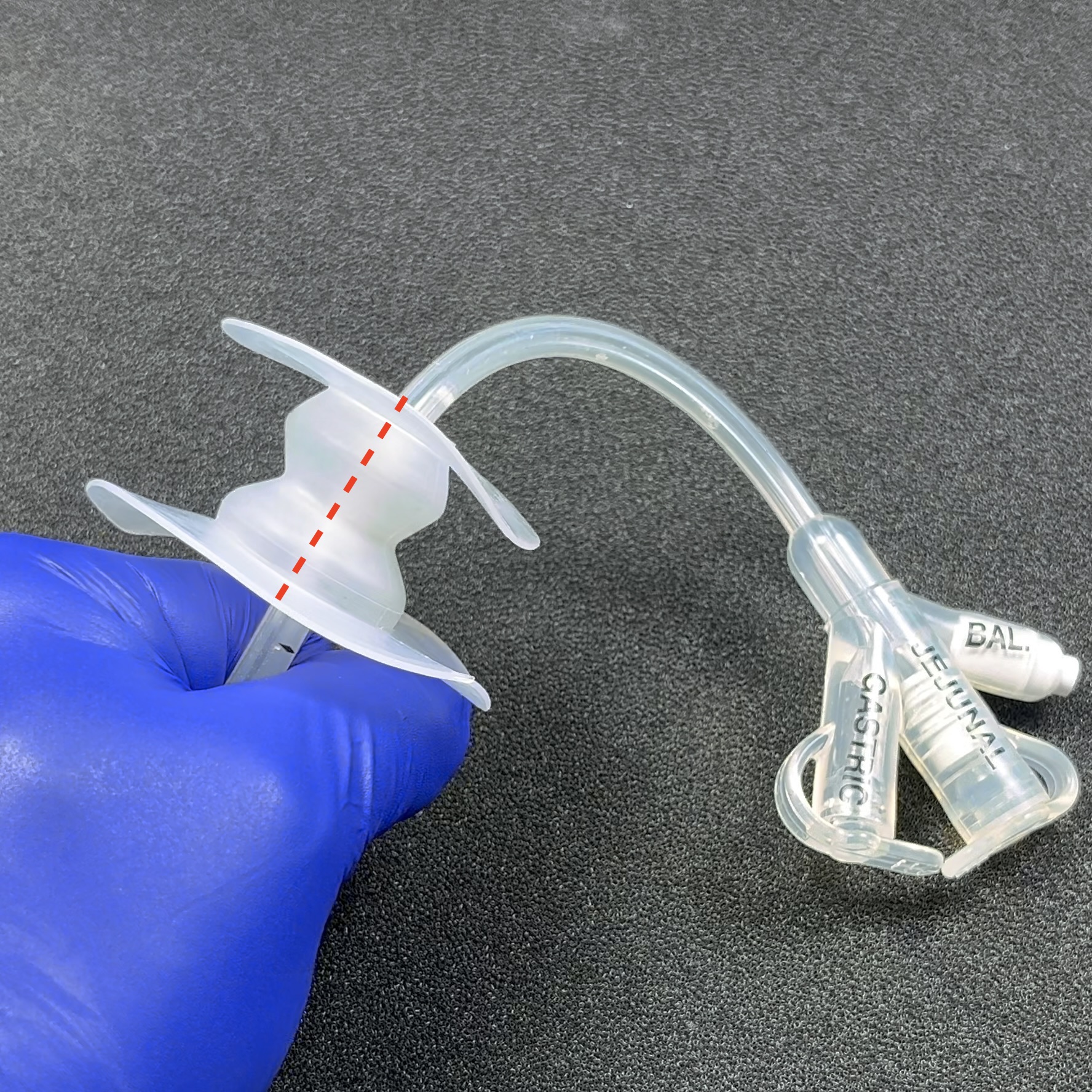
If the tube is already in place, tailor the Fistula Funnel by cutting as indicated by the dotted line so it can be placed around the tube.

PEG tube cutting

2. Place a contact layer followed by a flat ostomy barrier ring on the perimeter skin. Notch the flange to allow the device to flex, then place it around the tube so that the notched flange rests on the ostomy barrier ring.

Funnel 4 placed

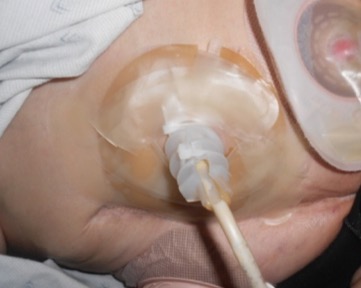
3. Fasten the Fistula Funnel to the patient by placing adhesive strips on top of the base flange. Use zip ties or tape to fasten the Fistula Funnel to the tube.  The stabilized tube should stand perpendicular to the patient's body.

Funnel 5 placed

This technique can stabilize PEG tubes and wound drains in order to reduce tube rubbing on the insertion site and mitigate incision widening.  The Fistula Funnel and companion dressings can also help seal and protect the skin from leakage when applied as shown.