
Consistency in Complex Wound Teams: Themes Clinicians Discuss

Clinicians caring for fistula patients often describe how unpredictable each day can be. Even with experience and strong teamwork, certain challenges tend to repeat themselves. These shared observations highlight the fistula management themes that many clinicians say shape day-to-day practice and consistency across teams.


Unpredictable Contours and Evolving Anatomy

One of the themes clinicians mention most often is how quickly contours can shift. A fistula may look different at various times of the day, and openings may sit in irregular or hard-to-reach areas. These changes make consistency difficult, even when teams use familiar approaches.

Clinicians regularly describe this unpredictability as a routine part of complex care, not an exception.


Skin Protection as a Universal Priority

Another recurring theme is the importance of maintaining periwound skin. When the surrounding skin remains intact, clinicians say the rest of the care plan often feels more manageable.

This priority shows up consistently and is particularly important when fistulas evolve quickly or anatomy becomes challenging.


Variability Across Teams and Shifts

Clinicians also discuss how each shift may bring a slightly different perspective or approach, especially when output changes rapidly. 

Shared observations and consistent themes help create a more predictable experience for both clinicians and patients.


Shared Themes Strengthen the Clinical Community

These themes reflect what clinicians discuss often when talking about consistency in fistula management. Hearing these shared observations helps highlight the challenges clinicians encounter repeatedly and the areas that matter most in daily practice.

Conversations like these also shape the development of purpose-built options created for fistula anatomy. If you are interested in exploring tools designed with these challenges in mind, you can learn more about the Wound Crown, Fistula Funnel, and Isolator Strip in our Knowledge Center at FistulaSolution.com.

If you have general themes you see in your own practice, we welcome hearing from you. No patient details — simply the patterns you notice in your care.

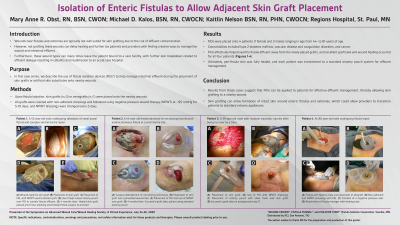
Isolation of Enteric Fistulas for Skin Graft Placement

The Wound, Ostomy and Continence Nursing Certification Board (WOCNCB) has shared the case study poster Isolation of Enteric Fistulas to Allow Adjacent Skin Graft Placement.

Download the poster to see how Fistula Solution devices help manage intestinal effluent during the placement of skin grafts or artificial skin substitutes onto nearby wounds.

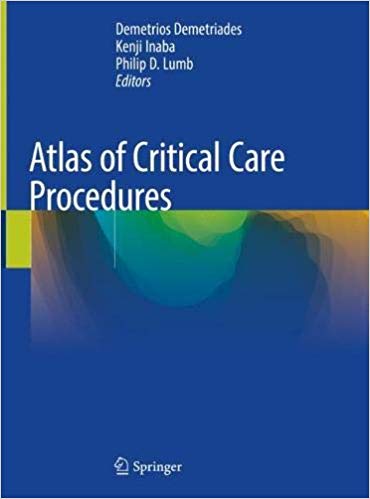
Recommended Enteric Fistula Reading: 2018 Atlas of Critical Care Procedures

Find excellent guidance on the Local Management of Enteroatmospheric Fistulae in Chapter 34 of the Atlas of Critical Care Procedures, Editors: Demetrios Demetriades, Kenji Inaba, and Philip D. Lumb.

This atlas is an all-inclusive resource that describes step by step how to perform the essential bedside procedures required to provide optimal care to the critically ill patient. Detailed descriptions of these procedures, with sequential photographs depicting each critical step, provide an in depth understanding of the anatomy, critical technical steps and common pitfalls to both military and civilian trainees. For the advanced professional operator, this atlas will provide a rapid refresher of the critical steps and is an excellent teaching resource, based on the decades of collective experience accumulated by the authors. This atlas is a standard reference for surgeons, critical care physicians, nurses and all critical care professionals who manage enteric fistulas and complex wounds.